
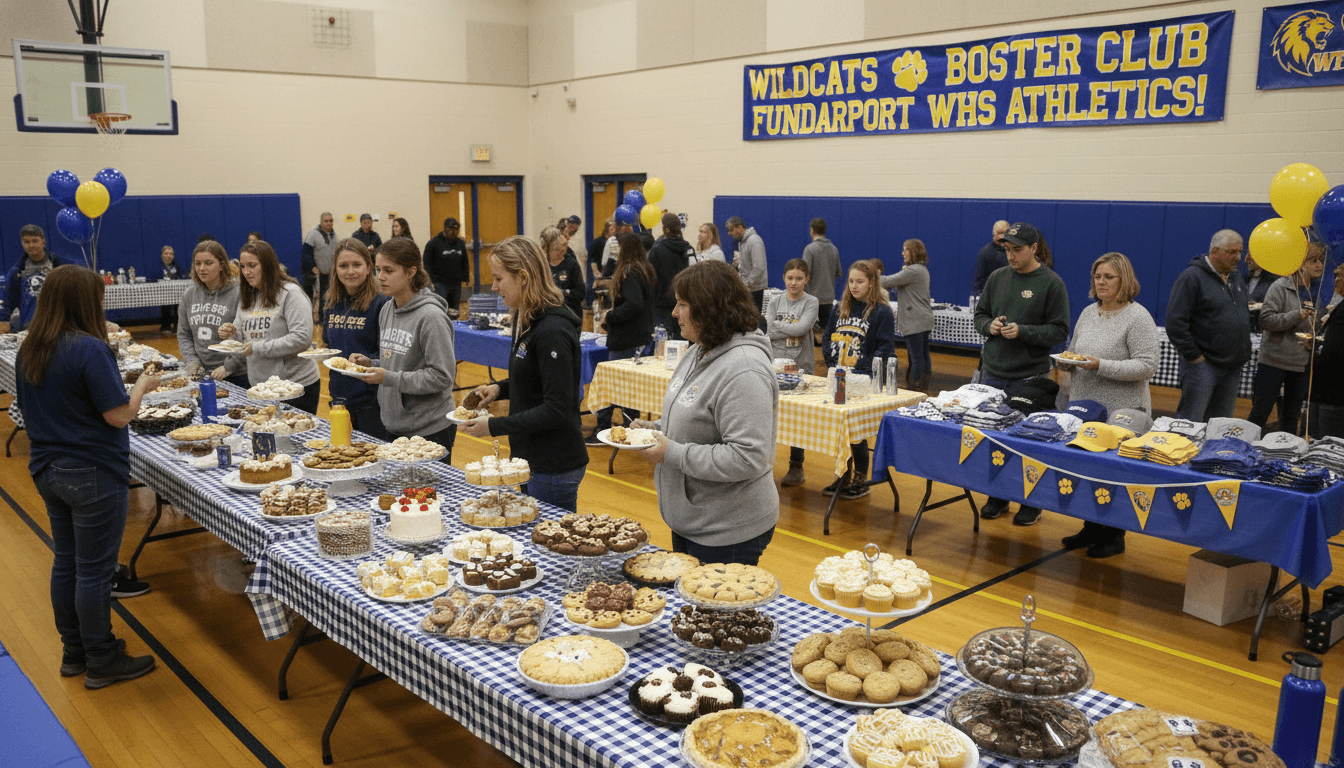
School Booster Club Newsletter: Communicating Fundraising and Support to Sports Families
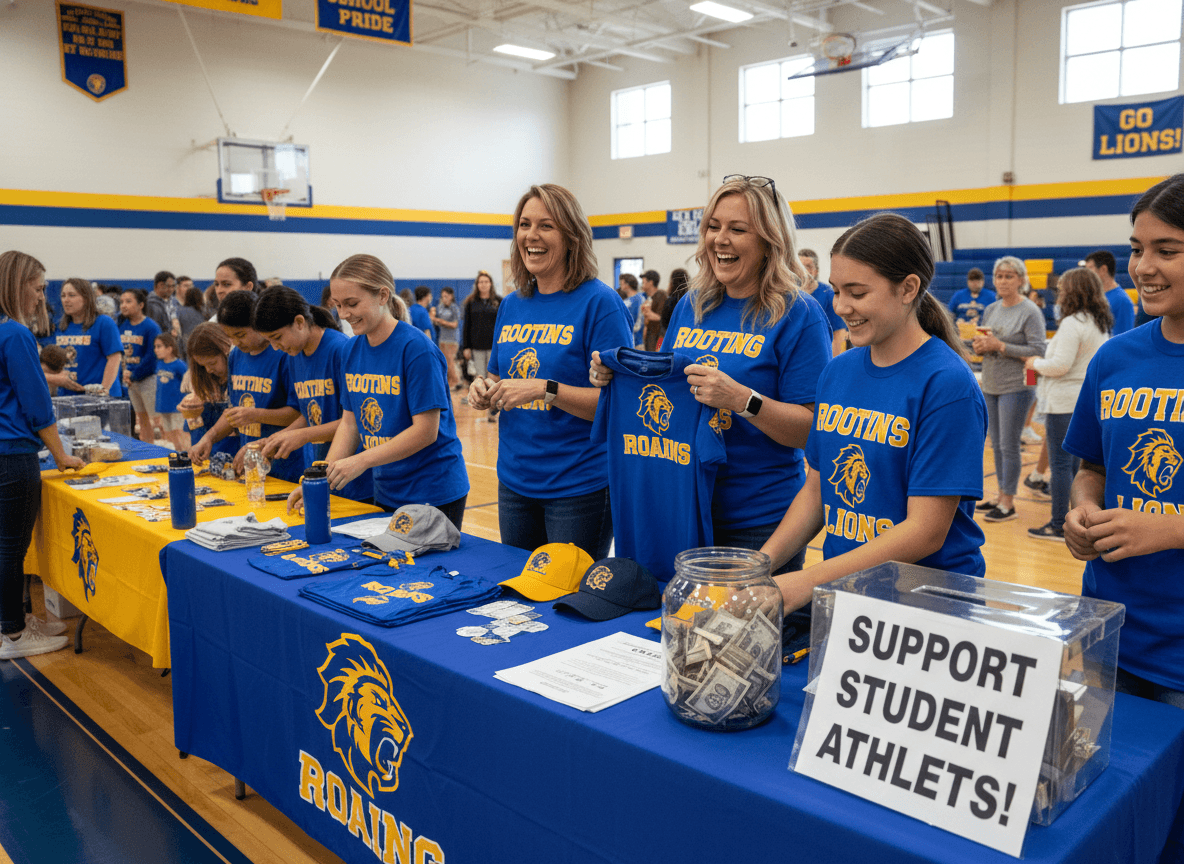
A school booster club newsletter has a different job than the coach's newsletter or the athletic director's communication. It is the bridge between the athletic program and the wider parent community, covering fundraising, volunteer coordination, and the events and recognitions that sustain the program financially and culturally.
The challenge is that booster newsletters often become primarily fundraising vehicles. When every issue is dominated by asks, the audience stops reading. Here is how to build a booster newsletter that earns its place in families' inboxes.
The content structure that keeps families reading
A booster newsletter that families actually engage with balances four types of content: program updates, community recognition, volunteer opportunities, and fundraising information. The ratio matters. If fundraising dominates more than one section per issue, you are training your audience to delete the newsletter without reading it.
A practical structure for each issue: open with a brief program update (recent results, upcoming games, season milestones), follow with a community recognition section (athlete or family volunteer spotlight), include a volunteer opportunities section with specific asks, and close with fundraising information. This order puts the content families want most at the top and treats the fundraising as one important part of a larger community communication.
Keeping non-booster-member families informed
The booster club newsletter should reach all sports families, not just families who are already booster members. Many families who have not joined the booster club would participate if they understood what it does and how to get involved. A newsletter that only reaches existing members is a missed opportunity.
Collect email addresses from all athletes during sports registration, not just from families who have paid booster dues. Be explicit in the newsletter about what membership includes, what the annual dues cover, and how families can join. A clear membership section in the first newsletter of the year removes the barrier for families who want to participate but did not know how.
Financial transparency builds trust
Booster clubs handle community money. Parents who donate and families who participate in fundraisers have a right to know how those funds are used. Booster newsletters that regularly include financial updates build significantly more trust than those that ask for money without reporting on how previous donations were spent.
Include a brief financial update in each issue: what was raised in the last fundraiser, what portion goes directly to the program vs. operational costs, and what the funds will be used for. "We raised $3,200 at the car wash last month. Those funds will cover the cost of new warm-up jackets for all athletes." That level of specificity transforms a generic donation into a tangible contribution families can be proud of.
An annual financial summary in the spring newsletter, covering the full year of fundraising and expenditures, is good practice for any booster organization. Families who see clear accounting are more likely to donate the following year.
Fundraising communication that converts
When the newsletter does ask for financial support, the ask should be specific, time-bound, and connected to a concrete outcome. Vague asks for general support rarely convert. Specific asks tied to a specific need and a deadline do.
"We need $4,500 to replace the scoreboard by the start of the fall season. We have raised $2,100. Donations of any size before August 1 bring us closer to the goal. Donate at [link]" works because it gives families context, a clear gap to close, a deadline to motivate action, and a specific path to contribute.
For multi-week fundraisers like spirit wear sales or product fundraisers, include a progress update in each newsletter during the fundraiser period. Families respond to momentum. "We have sold 47 of our 100-unit goal" creates a sense of participation that "please buy spirit wear" does not.
Tax-deductible donation communication
Many booster clubs are registered 501(c)(3) organizations, making contributions tax-deductible. This is a significant incentive that booster newsletters often fail to communicate clearly. If your booster club has tax-exempt status, say so explicitly in every newsletter that includes a donation ask.
Include your booster club's EIN (Employer Identification Number) in the newsletter or make it easy to find on your website so families can use it when filing taxes. Provide a written receipt or contribution acknowledgment for donations above the IRS threshold. These details are not just legal requirements for 501(c)(3) organizations. They increase donation amounts because families understand the net cost to them is lower.
Volunteer communication that gets responses
Volunteer requests that are vague ("we need help at games") get fewer responses than volunteer requests that are specific ("we need 4 people to staff the concession stand at Friday's home game from 5:30 to 8:00 PM. Sign up at [link]"). Specificity reduces the activation energy required to volunteer. Families know exactly what they are committing to.
Track volunteer participation and recognize it in the newsletter. A brief acknowledgment of the families who staffed last Friday's concession stand or organized the spirit wear pickup takes thirty seconds to write and matters a great deal to the volunteers. Recognition drives repeat participation.
Managing multiple sports in one newsletter
Schools with large athletic departments have booster clubs that support multiple sports simultaneously. The newsletter needs a structure that gives each sport appropriate visibility without becoming an unwieldy document that covers twenty topics poorly.
Consider a brief section for each active sport rather than a deep dive on any single sport. A one-paragraph update on each sport's current season status is enough to keep cross-sport families informed without alienating families who are only invested in one team.
Tools like Daystage make it practical to build a multi-section newsletter template that the booster club updates each issue without rebuilding the layout from scratch. Consistent structure keeps the reading experience predictable and reduces production time for the volunteer who manages the newsletter.
The booster newsletter as a community document
The most effective booster newsletters feel like they come from a community for a community, not from an organization asking an audience for support. That tone requires putting as much editorial energy into recognition, updates, and genuine community news as into fundraising.
Families who feel connected to the athletic community through the newsletter are the ones who show up, donate, and volunteer year after year. That loyalty is the return on the investment of producing a booster newsletter that earns its read.
Get one newsletter idea every week.
Free. For teachers. No spam.
Frequently asked questions
When should school booster clubs send newsletters to sports families?
Send at least monthly during active sports seasons and at the start of each major fundraiser. A kickoff newsletter at the beginning of the school year covering membership, annual dues, and the fundraising calendar gives all families the context they need before the first ask arrives.
What should a school booster club newsletter include?
Balance four content types per issue: a brief program update on recent results and upcoming games, a community recognition section highlighting a volunteer or athlete, specific volunteer opportunities with exact times and sign-up links, and a fundraising update tied to a concrete goal. Keeping fundraising as the final section rather than the opening one significantly improves engagement.
How should booster clubs communicate fundraising goals to sports families?
Make every ask specific, time-bound, and tied to a named outcome. State how much has been raised, how much remains, the deadline, and where to donate. Mid-fundraiser progress updates build momentum and drive more responses than a single campaign email.
What are common mistakes in school booster club communication?
Sending newsletters that are primarily fundraising asks trains families to delete without reading. A close second is limiting distribution to existing booster members, which misses the families most likely to join if they understood what the club does and how to get involved.
How does Daystage help booster clubs manage newsletter production?
Booster clubs using Daystage can build a multi-section newsletter template that a volunteer updates each issue without rebuilding the layout. Consistent structure keeps production time low and keeps the reading experience predictable for families who receive it all season.

Adi Ackerman
Author
Adi Ackerman is a former classroom teacher and curriculum writer with 8 years in K-8 schools. She writes about school communication, parent engagement, and what actually works in real classrooms.
More for Athletics
School Sports Season Preview Newsletter: Building Anticipation and Setting the Stage for the Year
Athletics · 5 min read
Athletic Director Newsletter Guide: Running Department-Wide Communication Across Every Sport
Athletics · 6 min read
School Baseball and Softball Program Newsletter: Communicating Through the Spring Season
Athletics · 5 min read
Ready to send your first newsletter?
3 newsletters free. No credit card. First one ready in under 5 minutes.
Get started free