
School Athletic Injury Communication: What Parents Need to Know About Concussions and Return-to-Play
Athletic injuries are one of the most sensitive topics coaches and athletic directors navigate. The stakes are high, the emotions are heightened, and the combination of medical privacy requirements and parent communication needs creates genuine complexity. Getting injury communication right requires thinking through the process before an injury occurs, not in the moment when a family is frightened and a coach is managing a situation on the field.
This guide covers what to communicate about concussion protocol, return-to-play processes, student privacy, and baseline testing programs before any injury happens.
Why pre-season injury communication matters
Families who receive injury protocol information for the first time when their child has already been hurt are in a poor position to process it. Fear, adrenaline, and the urgency of the situation make it difficult to absorb procedural information. The same information communicated before the season starts, when there is no crisis, lands very differently.
A pre-season injury communication newsletter also sets legal and procedural expectations for the program. When families understand the concussion protocol and return-to-play process before the season starts, there is much less room for disagreement about whether the school followed its own protocol when an injury occurs.
Concussion protocol communication
Every state in the US has a youth sports concussion law. Most require that any athlete suspected of sustaining a concussion be removed from play immediately and may not return until cleared by a licensed health care provider. Your newsletter should explain your program's concussion protocol in plain language that any parent can understand.
Explain what symptoms trigger a concussion evaluation: headache, confusion, dizziness, blurred vision, memory problems, and sensitivity to light or noise are the most common. Emphasize that these symptoms do not all appear at once and that some are not visible to anyone but the athlete themselves. Student athletes need to understand that self-reporting symptoms is not weakness. It is the right call.
Explain what happens after a suspected concussion. The athlete is removed from practice or competition immediately. A parent or guardian is contacted. The athlete is not cleared to return to any physical activity, including PE class and practice, until a licensed health care provider provides written medical clearance. Make this sequence explicit.
ImPACT and baseline testing programs
Many athletic programs use baseline neurocognitive testing at the start of each season. ImPACT (Immediate Post-Concussion Assessment and Cognitive Testing) is the most widely used tool. It measures memory, attention, reaction time, and processing speed in a healthy state so that post-injury scores can be compared to the individual athlete's own baseline rather than to population averages.
The pre-season newsletter should explain what baseline testing is, why the program uses it, what it involves (a computerized test that takes about 25 minutes), and what the results are used for. Families who understand the purpose of baseline testing are more cooperative when testing time is scheduled during practice and less likely to opt out because they do not understand the value.
Baseline tests should be repeated each year because performance changes as students develop. Your newsletter should note whether your program retests annually.
The return-to-play process explained
Return to play after a concussion follows a stepwise protocol. Athletes do not go from rest directly to full-contact practice. They progress through stages: complete rest, light aerobic exercise, sport-specific exercise, non-contact training drills, full-contact practice after medical clearance, and finally return to competition.
Families often do not understand why this process takes the time it does. The newsletter should explain that each stage must be completed without symptom recurrence before advancing, which means the timeline is driven by the athlete's recovery, not by a fixed calendar. Pressure from parents to rush return to play is one of the most common problems coaches and athletic trainers face. Clear communication about the protocol before any injury occurs reduces that pressure considerably.
Student medical privacy and what coaches can communicate
HIPAA and FERPA create real constraints on what coaches and athletic departments can share about student health and injury. A student's injury status, diagnosis, and treatment are private medical information. Coaches should not announce to a team or a parent group that a specific student has a concussion, a fracture, or any other medical condition without the family's explicit permission.
What coaches can communicate publicly is general: a student is not available for this week's practice or competition for medical reasons, or that an athlete sustained an injury during Friday's game and is receiving appropriate care. The details are private.
Address this directly in the pre-season newsletter so families understand why they may not receive specific medical information through the team communication channel. "We are committed to protecting the privacy of all student athletes. Medical information related to your child will be shared with you directly. We do not share individual medical information through team newsletters or group communication."
What to do when a significant injury occurs
For serious injuries beyond concussions, the communication process should be equally clear. The pre-season newsletter should explain the chain of contact: who contacts the family first, within what timeframe, and what information is provided at initial contact. Families who are contacted quickly, calmly, and with clear information respond very differently than families who hear about their child's injury secondhand or after a delay.
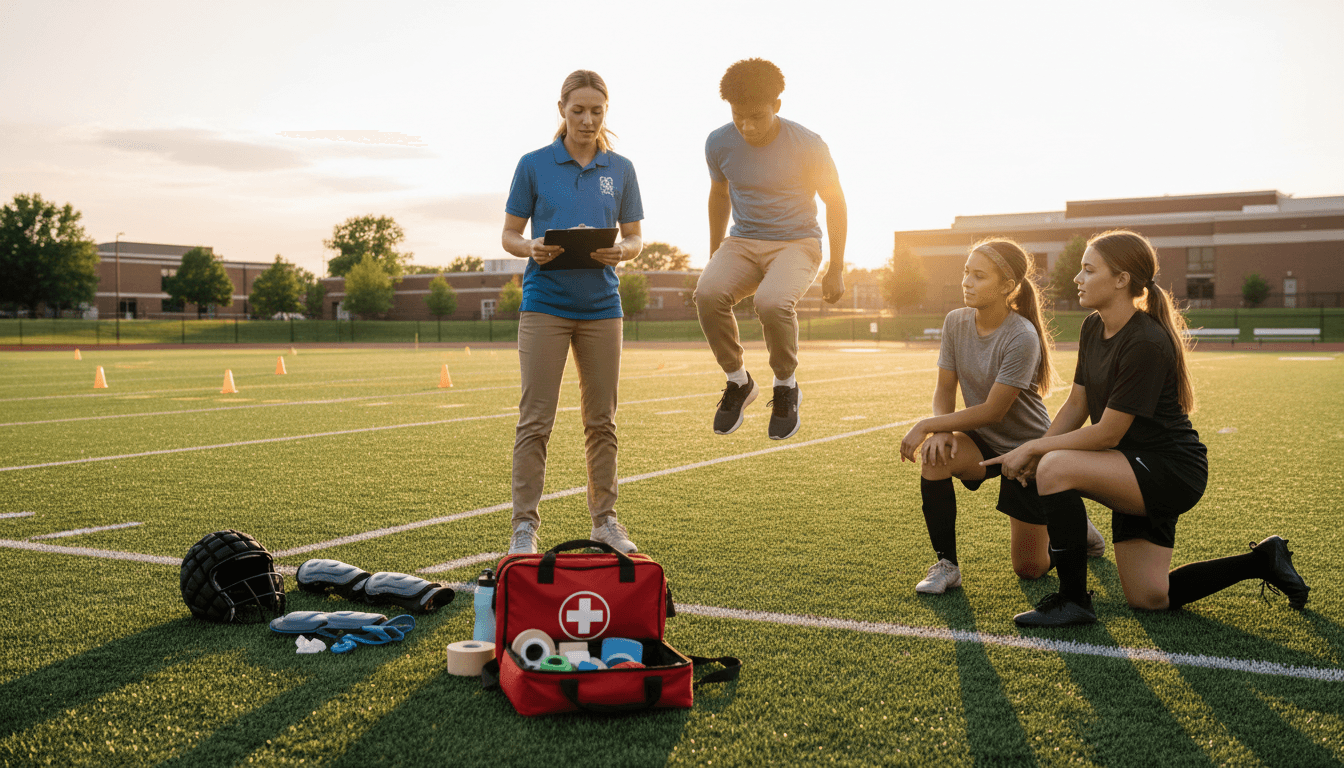
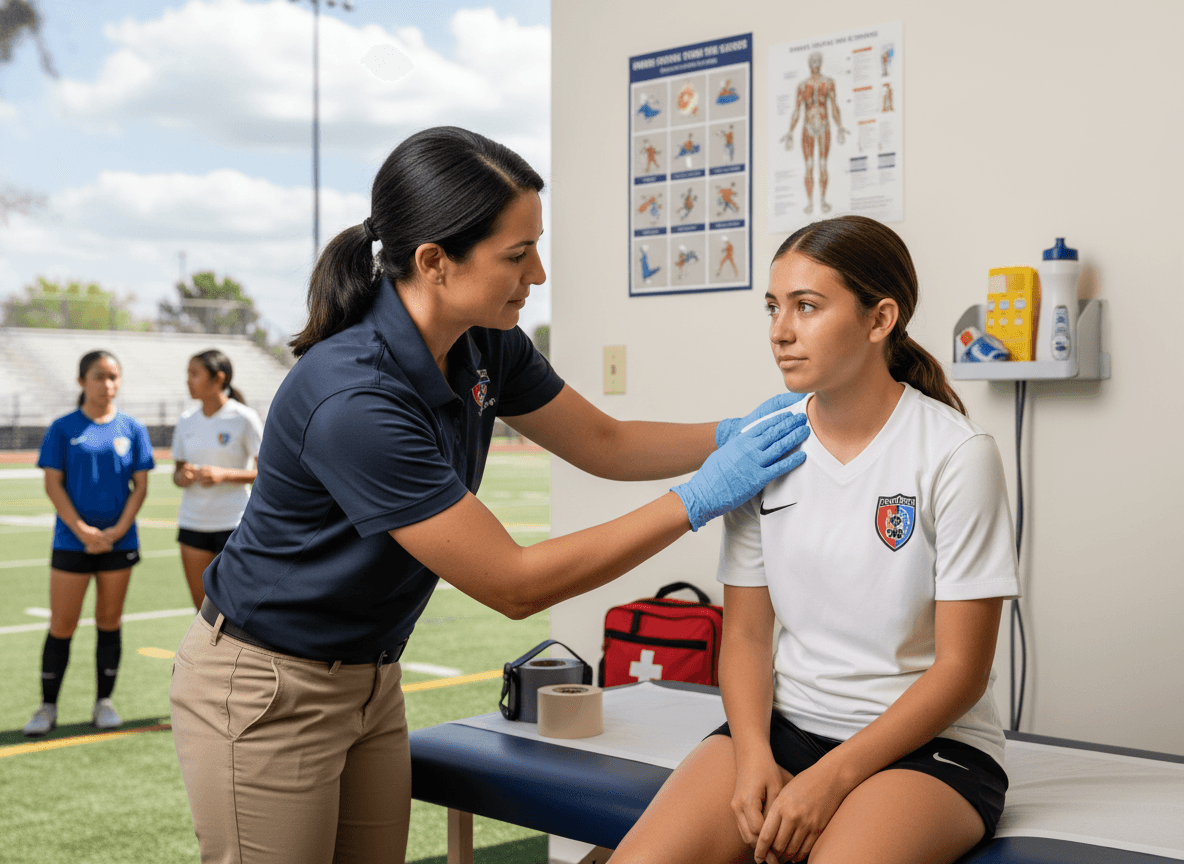
If your program employs an athletic trainer or has access to one through a school partnership, introduce that person in the newsletter. Knowing that a licensed medical professional is present at practices and games reassures families and sets accurate expectations about the level of care available.
Building injury communication into the season
Injury communication is not a one-and-done section of the pre-season newsletter. Mid-season newsletters can include reminders about hydration and heat safety during summer sports, overuse injury prevention during long seasons, and mental health resources for athletes managing injury and recovery.
Programs that use a newsletter tool like Daystage can save the injury protocol section as a reusable content block that appears in every pre-season newsletter with minor updates. The structure stays consistent while the specific protocols are updated annually as policies change.
The goal of injury communication is not to alarm families. It is to ensure that when something happens, everyone involved already understands the process. That shared understanding makes difficult moments significantly more manageable.
Get one newsletter idea every week.
Free. For teachers. No spam.
Frequently asked questions
When should coaches send athletic injury communication to parents?
Send a pre-season injury newsletter before the first practice, not after the first incident. Families who understand the concussion protocol and return-to-play process before any injury occurs are in a far better position to follow it when one happens.
What should a school athletic injury newsletter include?
It should cover the concussion protocol with specific removal-from-play triggers, the return-to-play stepwise process and why it cannot be rushed, whether the program uses ImPACT baseline testing and what that involves, what coaches can and cannot communicate about a student's medical status under HIPAA and FERPA, and who the primary family contact is when an injury occurs.
How should coaches communicate concussion protocol to parents and student athletes?
Explain the specific symptoms that trigger removal from play, including symptoms that only the athlete can self-report. Emphasize that self-reporting is the right call and not a sign of weakness. Then walk families through the full sequence from removal through medical clearance to return to full-contact practice.
What are common mistakes in school sports injury communication?
Waiting until an injury happens to explain the protocol is the most common problem. Pressure from families to rush return-to-play is directly related to how well the stepwise process was communicated before the injury. A second common mistake is not naming the athletic trainer or medical contact in the pre-season newsletter.
How does Daystage help with athletic injury communication?
Daystage lets coaches save the injury protocol section as a reusable content block that appears in every pre-season newsletter, updated annually as state laws or program policies change, without rewriting it from scratch each year.

Adi Ackerman
Author
Adi Ackerman is a former classroom teacher and curriculum writer with 8 years in K-8 schools. She writes about school communication, parent engagement, and what actually works in real classrooms.
More for Athletics
School Esports Newsletter: How Athletic Programs Communicate With Families About Competitive Gaming Teams
Athletics · 5 min read
School Sports Equipment Newsletter: Communicating Gear Requirements, Uniform Policies, and Equipment Distributions
Athletics · 5 min read
School Tennis Newsletter: Communication Strategies for Coaches and Athletic Directors
Athletics · 5 min read
Ready to send your first newsletter?
3 newsletters free. No credit card. First one ready in under 5 minutes.
Get started free