
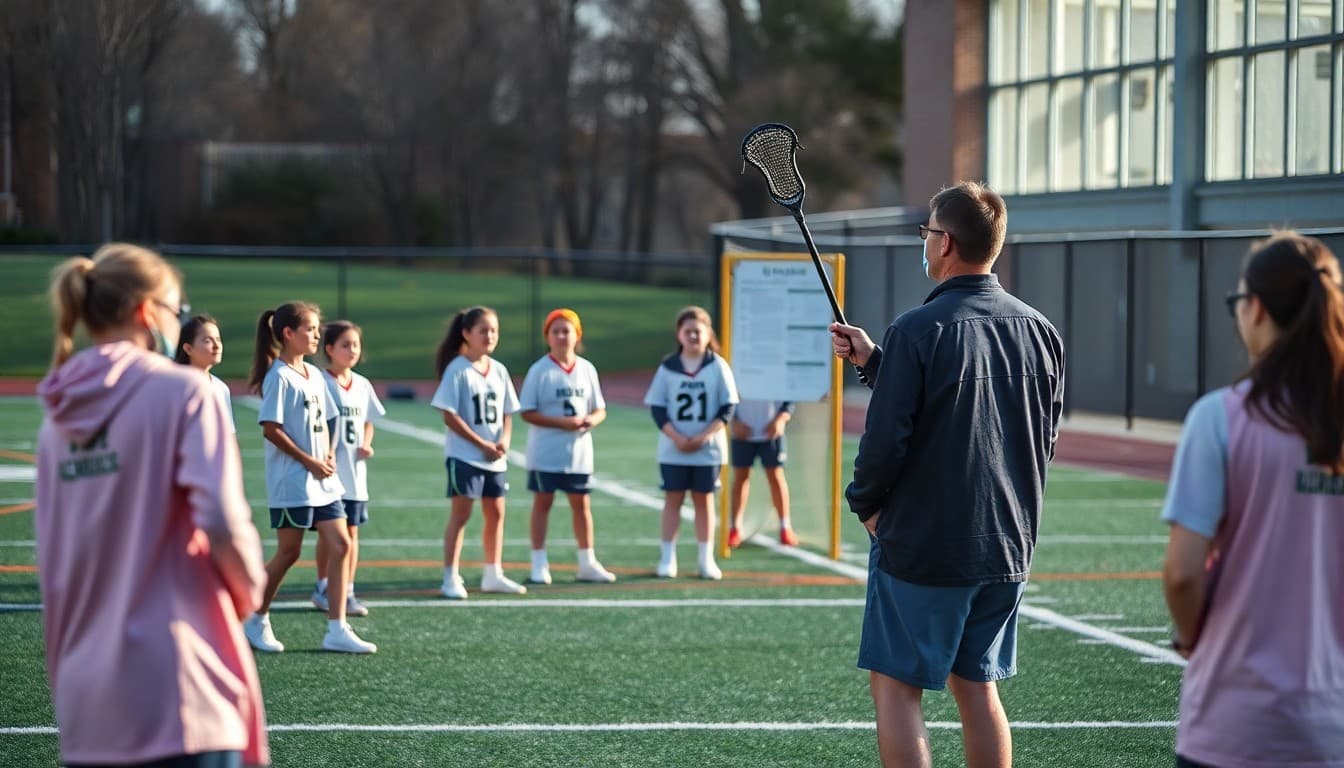
Lacrosse Team Newsletter: Season Communication for Families
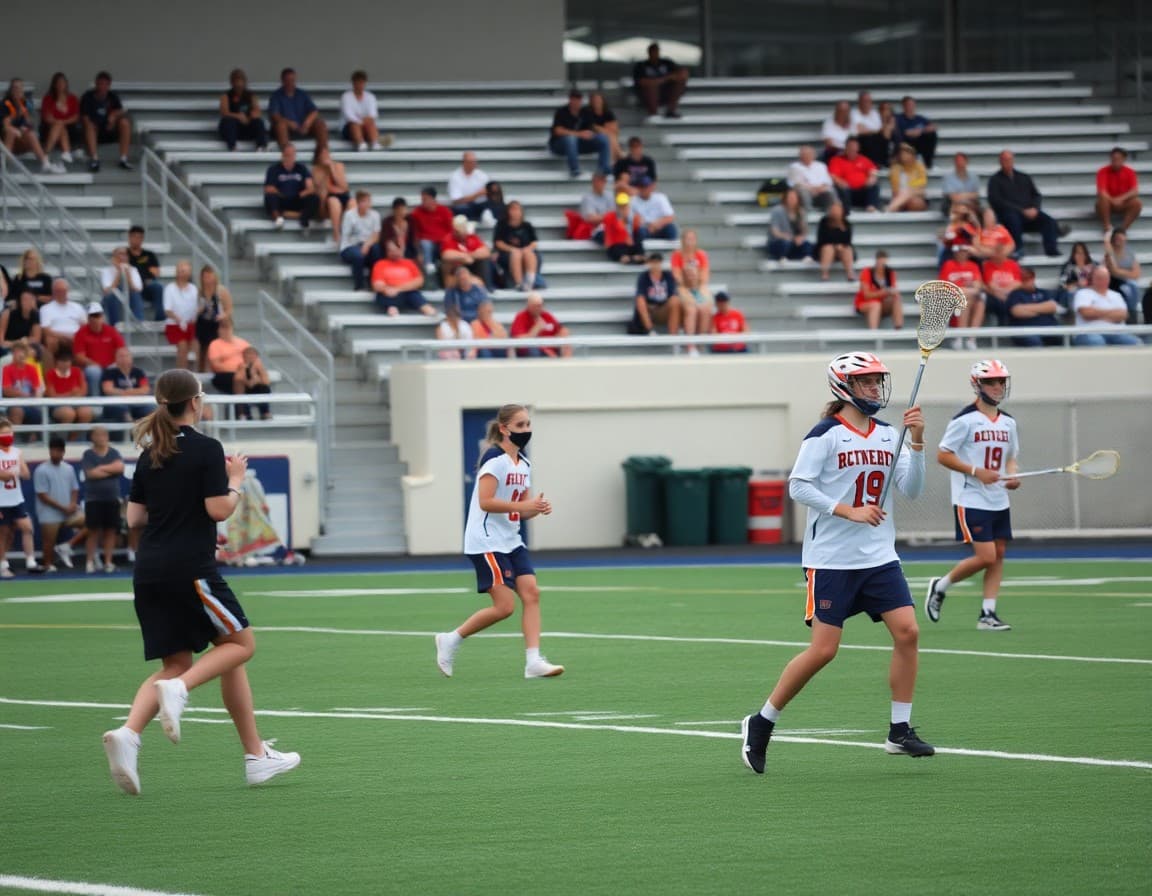
Lacrosse is the fastest-growing high school sport in the United States. That growth means a lot of families attending their first lacrosse game without any background in the sport. A lacrosse team newsletter that educates while it informs builds the engaged, knowledgeable parent community that makes the game better for everyone on the field.
Boys vs. Girls Lacrosse: Different Sports, Different Rules
Boys and girls lacrosse are played under fundamentally different rules, use different equipment, and require different skills emphasis. Boys lacrosse is a full contact sport with helmets, shoulder pads, arm pads, gloves, and a hard rubber ball. Physical checking of an opponent's body and stick is a core element of the game. Girls lacrosse is a minimally contact sport with protective goggles and light protective gear, focused on stick skills and positioning rather than physical contact.
Your newsletter should make this distinction clear so families of boys and girls players understand the different experience their child is having and the different spectator experience they will have. A family at a boys game expecting the minimal contact of girls lacrosse will be startled by the first hard check. A family at a girls game expecting the physicality of boys lacrosse will be confused by the officiating.
Equipment Requirements and Cost
Boys lacrosse equipment is expensive. A complete setup for a first-year player -- helmet, shoulder pads, arm guards, gloves, mouth guard, athletic cup, cleats, and stick -- can run $350 to $600 new. Families should know this before the first practice, not on the day they realize their child cannot participate without gear.
Your opening newsletter should list required equipment, recommended brands or models at different price points, where used equipment can be purchased or borrowed, and whether the program has any loaner equipment for families with financial need. Many lacrosse booster clubs run used equipment sales at the start of the season -- if yours does, announce it prominently.
A Template Equipment and Registration Section
Here is a template that works for the equipment section of an opening lacrosse newsletter:
"All athletes must have the following equipment before participating in full practice: [list by sport -- boys or girls]. Required: [list required items]. Optional but recommended: [list optional items]. School-issued: [list anything the school provides]. Equipment must comply with state athletic association regulations -- see [link] for specifications. Used equipment is available through our booster club sale on [date] at [location]. If you have financial concerns about equipment costs, please contact Coach [name] confidentially at [contact]."
Game Schedule and Field Locations
Many lacrosse programs play home games at fields that are not the main school athletic complex. Parks, community fields, and shared facilities are common venues. Your newsletter should include the full address of your home field, parking instructions, and any specific access information for the venue.
For schools where the lacrosse field is on campus, still include the specific field name and location within the campus. "East Athletic Field, behind the main gym, enter from Oak Street" is more useful than "school athletic fields."
Recruiting and Club Lacrosse
Lacrosse has a strong club and travel lacrosse culture, and many high school lacrosse players also play club ball year-round. The relationship between club and high school lacrosse -- including eligibility questions, commitment expectations during the high school season, and whether club participation outside of the high school season is supported -- should be addressed in your first newsletter. Your state's athletic association rules govern what is permissible during the high school season, and your newsletter should state those rules clearly.
Understanding Officiating and Game Flow
Lacrosse officiating calls that parents frequently misunderstand include: crease violations in both boys and girls, illegal body check or stick check calls, man-down penalties in boys lacrosse, and the three-second call in boys lacrosse (attackers cannot remain in the crease). Including a brief rule explanation section in your season opener -- or linking to your state athletic association's rules summary -- prevents the parent who argues with officials about calls they do not understand.
Get one newsletter idea every week.
Free. For teachers. No spam.
Frequently asked questions
What lacrosse-specific information should be included in the season newsletter?
Lacrosse families new to the sport need: an explanation of boys vs. girls lacrosse rule differences (boys is full contact with helmets and full pads; girls is minimally contact with goggles and light protection), equipment requirements and cost range, position overviews, how game scoring and timing work, and the difference between box lacrosse and field lacrosse if your area has both. Equipment for boys lacrosse is significant -- helmet, shoulder pads, arm pads, gloves, stick, and mouthguard can total $300 to $600 for new families. Covering this early helps families plan.
What are the most common family questions in a lacrosse season?
The most common lacrosse family questions are: equipment requirements and where to buy, stick and equipment regulations (shaft length, pocket depth for boys), game rules for those new to the sport, field locations for home games (many schools share fields with other programs or use off-campus facilities), and whether travel lacrosse participation affects high school eligibility. Answering these in your first newsletter prevents them from arriving individually throughout the first month of the season.
How do you address the cost of lacrosse equipment for families?
Lacrosse equipment is among the most expensive in high school athletics. Your newsletter should address cost honestly: list what is required and what is optional, include price ranges, and mention any program equipment lending or used equipment resources that are available. If your booster club runs a used equipment sale or if the program has loaner equipment, put this information prominently in the first newsletter. Families who cannot afford full new equipment need to know options exist before the first practice.
How should lacrosse coaches communicate about game rules to families?
A brief game rules primer in your opening newsletter or as a linked resource benefits families across all experience levels. Cover: scoring, game timing (quarters, not halves), penalty rules for boys (man-down situations) and girls (free positions), the role of the goalie, and what flag violations look like and mean. Families who understand the rules they see enforced are better spectators and less likely to react negatively to officiating decisions during games.
Can Daystage help lacrosse programs send professional team newsletters throughout the season?
Yes. Daystage lets lacrosse coaches create a professional newsletter template with game schedule, team roster, and coach contact information, then update it weekly with game results and upcoming schedule. You can include field addresses and parking information for off-campus games, photos from recent matches, and links to equipment guides or booster club sign-ups. Lacrosse coaches who use Daystage report that parent sideline behavior is notably better when families have been briefed on rules and expectations before the first game.

Adi Ackerman
Author
Adi Ackerman is a former classroom teacher and curriculum writer with 8 years in K-8 schools. She writes about school communication, parent engagement, and what actually works in real classrooms.
More for Athletics
Ready to send your first newsletter?
3 newsletters free. No credit card. First one ready in under 5 minutes.
Get started free