
School Hiking Club Newsletter: Outdoor Adventures Update
A hiking club newsletter should feel like the outdoor experience it represents: grounded, practical, and connected to the natural world. Families who are preparing their child for a hike need specifics. Families who couldn't attend the last hike want to feel like they were there.
Upcoming Hike Details Block
Every newsletter in hiking season should open with the upcoming hike details in a clearly labeled block. Families with children in the hiking club are reading specifically for this information. Don't bury it in a paragraph:
Next Hike: October 19 - Blue Ridge State Forest, Ridgeline Trail
Distance: 5.8 miles round trip. Elevation gain: 640 feet. Difficulty: Moderate. Expected duration: 3.5 to 4 hours with stops. Meeting time: 7:30 AM at the school's east parking lot. Expected return: 2:30 PM. Transportation: school van (12 students max, spots confirmed on signup sheet). Cost: $5 for transportation, due by October 17.
What to bring: Hiking shoes or trail runners, 2 liters of water minimum, packed lunch and extra snack, sunscreen, rain layer (forecast is partly cloudy), and a small notebook for nature observations. No sandals or flip-flops on this terrain.
Most Recent Hike Report
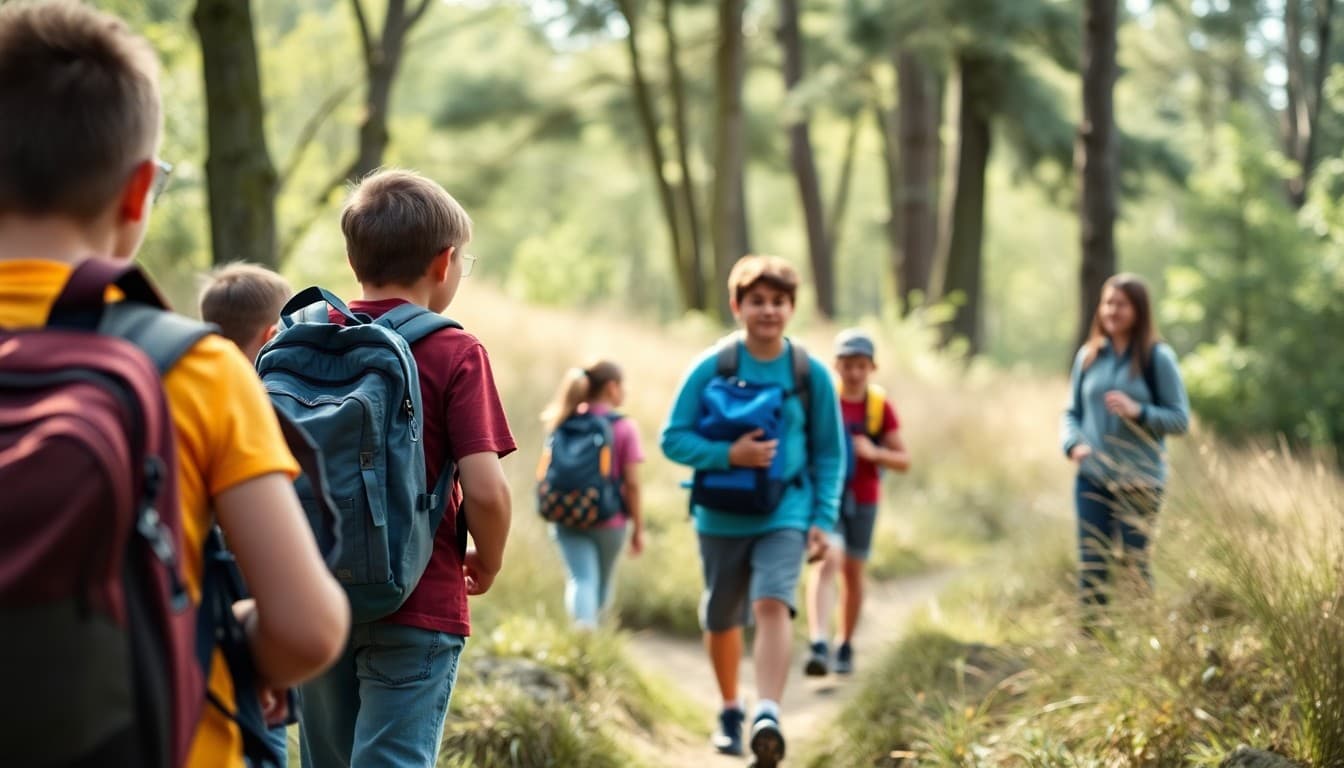
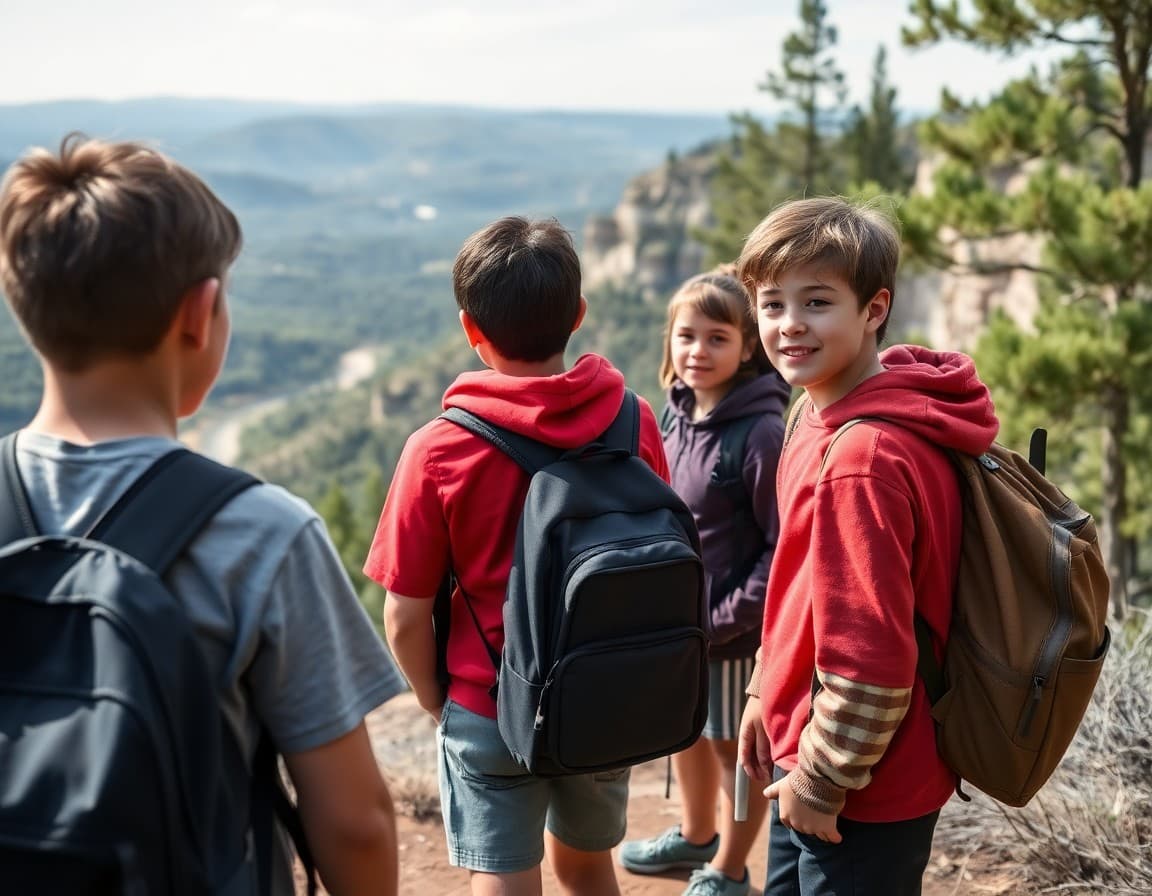
After each hike, a brief report gives families who weren't there a sense of the experience. Include a short narrative, 3 to 4 observations from the trail, and a photo. This is the section that keeps non-hiking parents connected to the club and builds enthusiasm for future participation. A student-written trail report is even better than a coach-written one. Rotating the writing responsibility through club members builds writing skills and gives each student ownership of a club memory.
Template Excerpt: Post-Hike Report
Blue Ridge Hike Report - September 28
Fourteen students and three adults covered 6.2 miles on the Blue Ridge Ridgeline Trail Saturday, gaining 780 feet of elevation over three hours. The weather cooperated: 58 degrees and clear until the summit, where a brief cloud layer gave us our first fog experience of the fall.
What students observed: Red-tailed hawk soaring above the ridge for approximately 20 minutes. Evidence of black bear foraging in berry patches along mile 2 (scat and claw marks on a log). Complete leaf turnover on maples and oaks above 2,200 feet while lower-elevation trees showed only partial color change. A permanent spring flowing from a rock outcrop near the summit - water tested at 52 degrees by our water quality kit.
Student reflection - Maya Torres, grade 10: "I've driven past these mountains my whole life and never been on them. The view from the top made me realize I've been missing something that was always right here."
Trail Safety That Families Need to Know
Safety communication in a hiking club newsletter builds family confidence in the program. Include a standing safety section in the first newsletter of each season: how students are trained in trail protocols, the adult-to-student ratio, whether the club leader has Wilderness First Aid certification, how the group handles weather changes or medical situations on trail, and the emergency contact system for parents. Families who understand the safety structure will sign permission slips with fewer concerns.
Nature Observation of the Month
Connect each month's hiking to a specific ecological observation or theme. October: fall foliage science (why do leaves change color, what environmental signals trigger the process). November: preparing for winter (animal behavior, seed dispersal, fungal growth patterns). March: early spring indicators (migratory bird arrivals, wildflower emergence, snowmelt hydrology). This section transforms the hiking club from an outdoor activity group into an environmental education program, which matters for budget justification and parent support.
Year-End Trail Log
Publish a cumulative trail log in the final newsletter of the year: total miles hiked by the club, total elevation gained, number of unique trails completed, and any milestones achieved (first 10-mile hike, first overnight trip, first hike above 4,000 feet). Students who can see a year's worth of cumulative accomplishment feel a real sense of physical and personal achievement. Families who see this data understand the scale of what the club has actually done together.
Get one newsletter idea every week.
Free. For teachers. No spam.
Frequently asked questions
What should a school hiking club newsletter include?
Upcoming hike details (location, distance, difficulty, meeting time, transportation), gear requirements, safety protocols, field observation notes from recent hikes, conservation or environmental education themes, and a reflection from a student about a recent experience. The newsletter should give families enough information to prepare their child properly for each outing.
What gear should a hiking club newsletter tell families to prepare?
Be specific for each hike based on difficulty and terrain. Standard recommendations: broken-in hiking shoes or trail runners (not sneakers for technical terrain), moisture-wicking clothing in layers, a rain shell, a daypack, a water bottle with at least 32 oz capacity, sunscreen, a packed lunch and extra snack, and a first aid kit. Add or remove items based on the specific hike's conditions.
How do you communicate trail difficulty to families unfamiliar with hiking ratings?
Translate difficulty levels into specific, concrete terms rather than using generic labels. Instead of 'moderate difficulty,' say '5.2 miles with 800 feet of elevation gain, no technical scrambling required, pace is approximately 2 mph with stops.' Parents who haven't hiked can't calibrate 'moderate' but can understand a specific distance, elevation, and time commitment.
Should a hiking club newsletter include environmental education content?
Yes, and this is what elevates a hiking club newsletter beyond logistics. Each hike has an environmental or ecological theme the club is observing. A November hike in a deciduous forest is an opportunity to observe dormancy. A spring hike might focus on wildflower identification or bird migration. Including one educational observation per issue connects the outdoor experience to science learning.
Can Daystage support photo-rich hiking club newsletters?
Yes. Daystage photo gallery blocks are ideal for hiking club newsletters. A post-hike photo gallery with 6 to 8 images from the trail gives families who stayed home a real view of the experience. Photos indexed with captions noting the location and what students observed are more meaningful than unlabeled snapshots.

Adi Ackerman
Author
Adi Ackerman is a former classroom teacher and curriculum writer with 8 years in K-8 schools. She writes about school communication, parent engagement, and what actually works in real classrooms.
More for Athletics
Ready to send your first newsletter?
3 newsletters free. No credit card. First one ready in under 5 minutes.
Get started free