

Football January Newsletter: Season Updates for Families
The football season is over and January feels quiet by comparison. But it is actually one of the most important months for football program communication. The banquet is being planned, the offseason is starting, and for seniors, the recruiting calendar is moving fast. A January newsletter closes the season properly and opens what comes next.
Season Wrap-Up
Give the full season record, conference standing, and playoff result if applicable. Acknowledge how the season ended without dwelling on it. A final record of 6-4 and a first-round playoff exit is still a season worth recognizing. Families and athletes want acknowledgment that the season happened and that it mattered. One paragraph is enough.
End-of-Season Awards
List every award by name and recipient. Team-voted awards like MVP, Most Improved, and Captain's Award alongside any conference or regional honors, all-state selections, and academic athlete recognition. If your program presents awards at a banquet, this section previews the recognition and builds anticipation. If you have already held the banquet, this section confirms what was announced. Either way, spell every name correctly. Parents screenshot this section and share it.
Athletic Banquet Details
If the banquet has not yet happened, include date, time, location, ticket or RSVP information, dress code, and what the evening will include. If families need to submit senior athlete bios, photos, or quotes for the program, give the submission deadline. A note about what to expect, how long it runs, and whether younger siblings are welcome is useful for families planning the evening.
Offseason Conditioning Program
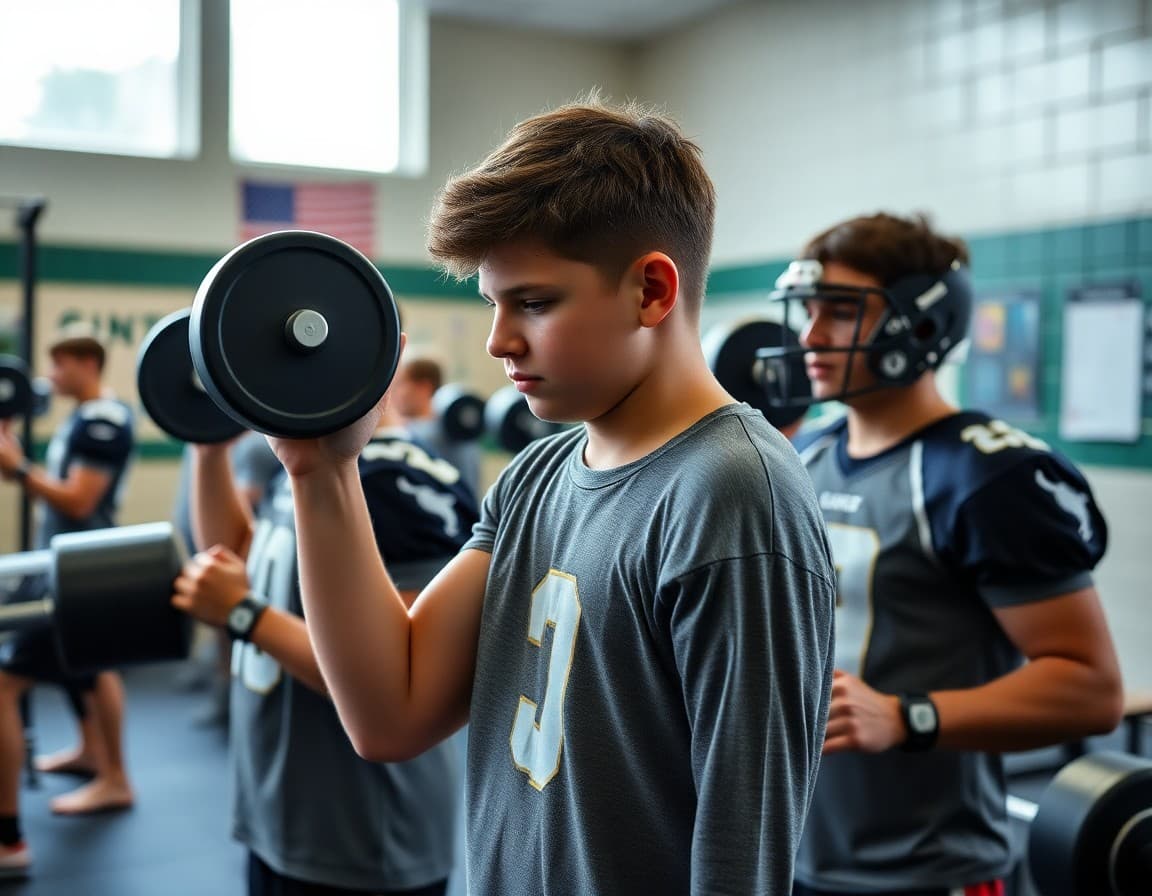
Most football programs run a winter lifting and conditioning program. Give families the schedule: days, times, location, and what participation looks like. Note clearly whether participation is expected and how it factors into preseason roster decisions. Athletes who know the offseason expectations in January have time to plan around other commitments rather than discovering conflicts in February.
Recruiting Update
For programs with seniors who have received offers or made commitments, a brief note is appropriate if the athletes have consented to sharing that information. These moments are genuinely celebratory and the broader football family takes pride in them. Keep the language factual: name, school, signing date if applicable. Also include a general note for junior families who may be navigating the recruiting process for the first time and need to know who to contact with questions.
Spring Football Preview
Introduce spring football dates and format. Even a preliminary date range is useful. Tell families whether spring practice is mandatory, how many days it covers, and whether any scrimmages or jamborees are planned. Rising sophomores and juniors need this information early to coordinate summer plans. For freshmen, this may be their first exposure to the program outside of camp or tryouts.
Sample January Newsletter Section
Here is an excerpt you can adapt:
"We finished the season 8-3 and earned a second-round playoff berth. Our end-of-season banquet is January 23 at 6:30 PM in the school cafeteria. Tickets are $15 per person and can be purchased at the athletic office by January 17. Senior bios are due to Coach Williams by January 10. Winter conditioning runs Tuesdays and Thursdays from 6:00 to 7:30 AM starting January 14."
Maintaining Momentum Through the Offseason
The programs that build year-round family communities are the ones that communicate year-round. A January newsletter sends the message that the program does not disappear between seasons. Daystage makes it easy to maintain this presence without it becoming a burden. Build a January template once, update it each year with current information, and your football community stays connected through the offseason.
Get one newsletter idea every week.
Free. For teachers. No spam.
Frequently asked questions
What is the purpose of a January football newsletter?
January football newsletters typically serve two purposes. First, they wrap up the previous season with final recognition and banquet information. Second, they begin setting expectations for the offseason: lifting programs, spring football dates, and recruiting timelines for juniors and seniors.
How should football programs communicate end-of-season awards?
List award recipients by name and award type. Team-voted awards like MVP and most improved carry different weight than conference or all-state recognition. Give all of them equal formal acknowledgment in the newsletter. Families save these recognitions and share them. Make sure you have spelled every name correctly before sending.
What should a January newsletter say about college recruiting?
Keep it factual and general. Note which seniors have received official offers or committed if that information is public and they have consented to sharing it. Include a line about who families should contact if they have questions about the recruiting process. Avoid speculating about any athlete's recruiting prospects.
How should coaches introduce spring football in January?
Give the anticipated dates, format, and participation expectations for spring practice. Note whether spring practice is mandatory or voluntary, how many days it covers, and what the focus will be. Freshmen and rising sophomores especially need this information early since spring football may be their first real exposure to the program.
Can Daystage send a football newsletter to both current families and alumni supporters?
Yes. Daystage lets you manage multiple subscriber lists and send the same newsletter to different audiences or send targeted versions to each. This makes it easy to reach both current families and booster club members with a single send.

Adi Ackerman
Author
Adi Ackerman is a former classroom teacher and curriculum writer with 8 years in K-8 schools. She writes about school communication, parent engagement, and what actually works in real classrooms.
More for Athletics
Ready to send your first newsletter?
3 newsletters free. No credit card. First one ready in under 5 minutes.
Get started free