
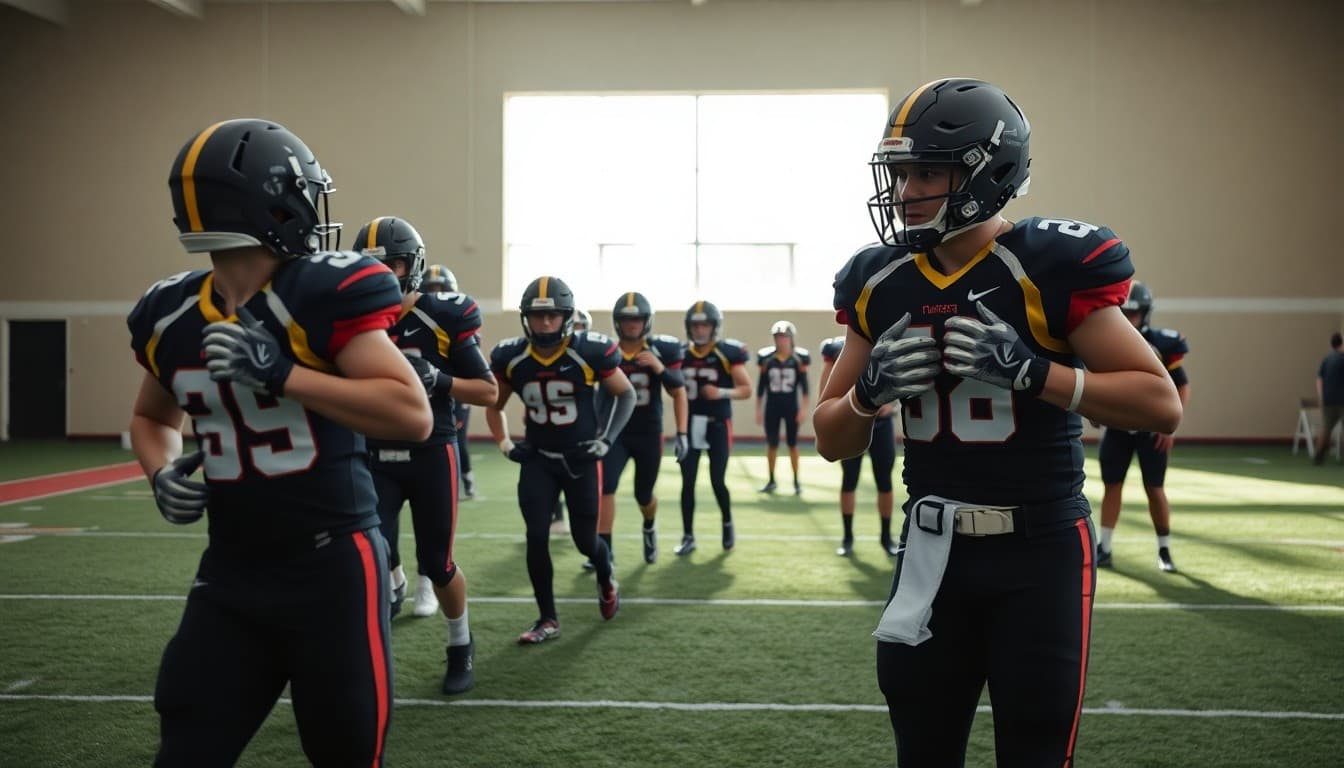
Football August Newsletter: Season Updates for Families
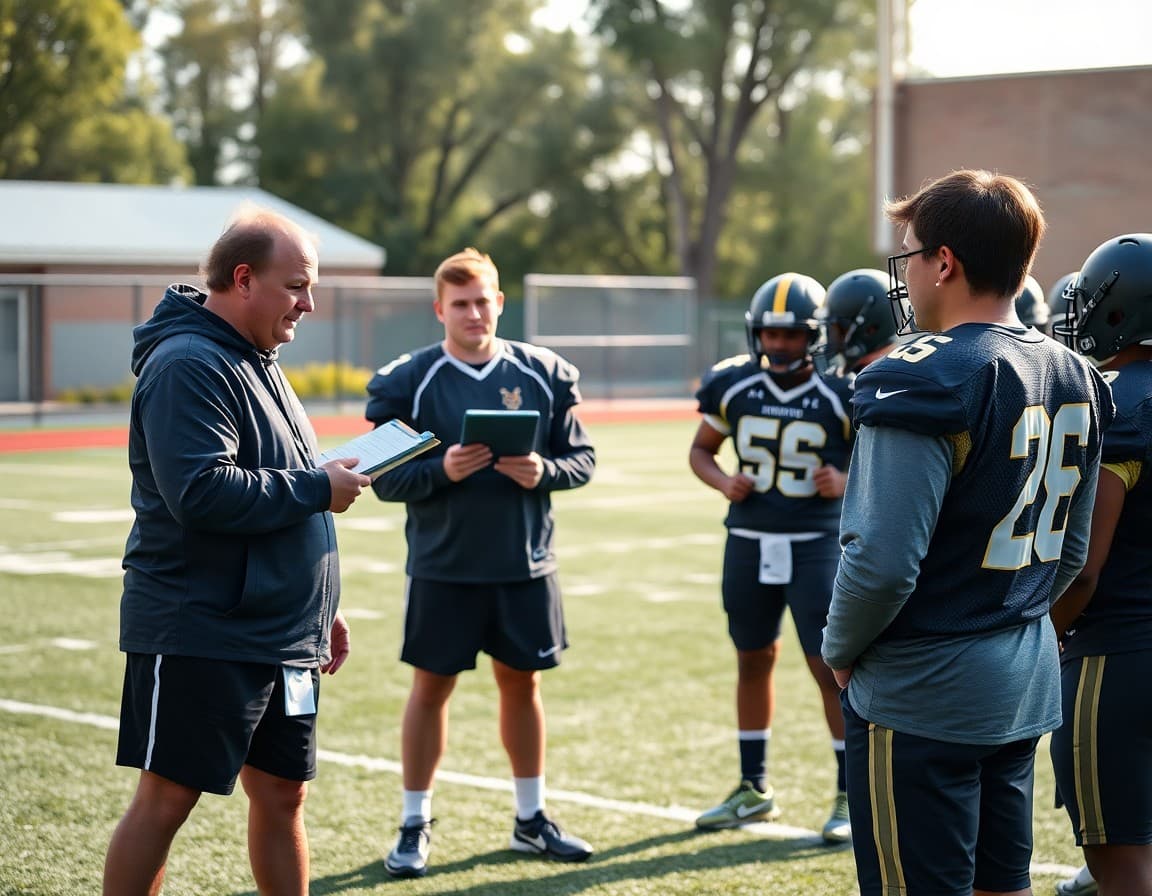
August football is intense by design. Two-a-days, full contact in the heat, and a roster full of athletes who have not practiced together in months. Families are juggling back-to-school logistics at the same time. A clear, practical August newsletter cuts through the noise and gets everyone ready before the first snap.
Preseason Practice Schedule
Give families the complete preseason calendar. Include start and end dates, session times, and whether the schedule shifts from two practices per day to one as preseason progresses. Note any blackout days and confirm whether there are mandatory days when all athletes must attend regardless of conflicts. Many programs have NFHS or state association rules about how preseason must be structured. If your schedule follows specific phase protocols, a brief explanation helps parents understand why the schedule looks the way it does.
Equipment Distribution
Football has more equipment than almost any other school sport. Give the full distribution schedule: date, time, location, and what athletes need to bring. If helmets require a separate fitting appointment, say so. If athletes need to have a completed physical and signed forms before receiving equipment, make that requirement explicit. Nothing slows down the first day of practice like an athlete showing up without cleared paperwork.
Heat Safety and Practice Modifications
August is the most dangerous month for heat-related illness in high school sports. Families want to know that your program takes this seriously. Describe your district's heat index thresholds, what happens when those thresholds are crossed, and how families will be notified if practice is modified or cancelled. Include the name and contact information for your athletic trainer if you have one. If you do not, tell families who handles medical situations on the field.
Physical and Paperwork Deadlines
State the deadline clearly. No physical, no practice. This rule is non-negotiable and families respond better when they know it upfront than when they learn it at the field house door. List every document required: physical form, emergency contact card, concussion acknowledgment, and any sport-specific forms. Link to a downloadable packet if your school has one online.
Mandatory Parent Meeting
Most programs hold a parent meeting before or at the start of preseason. Give the date, time, location, and what will be covered. If a parent signature is required on a team contract or travel consent form, note that they must attend to receive those forms. If a family cannot attend the scheduled meeting, tell them who to contact and whether a makeup option is available.
Opening Game Schedule
Include at least the first two to three games on the schedule with dates, times, home versus away designations, and opponent names. Families start planning around game dates from the moment they read the newsletter. A sample section here might look like:
"Our first home game is Friday, September 5 at 7:00 PM. Gates open at 6:00 PM. Tickets are available at the door. Away games require a travel form for athletes under 18. Forms will be distributed at the August 4 parent meeting."
Booster Club and Volunteer Opportunities
August newsletters often include a call for volunteers. Concession stands, chain crew, timing tables, and gate management all require parent help. A short section with a link to a volunteer sign-up or a contact email for the booster club gives motivated parents a way to get involved immediately.
Contact and Communication Channels
End with clear contact information for the head coach, assistant coaches, athletic director, and athletic trainer. Include preferred communication methods. Some coaches want emails routed through the athletic office rather than directly to their personal address. State how and when families can expect a response. Daystage makes it simple to include a contact block at the bottom of every newsletter so this information is always findable, even by families who skim the rest.
Get one newsletter idea every week.
Free. For teachers. No spam.
Frequently asked questions
What should a football August newsletter cover?
Cover preseason practice schedules, equipment distribution details, heat safety protocols, physical and paperwork deadlines, parent meeting dates, and the opening game schedule. Families returning from summer need a clear picture of what the first few weeks will look like.
How should coaches communicate heat safety during August football practice?
State the district's specific heat protocol clearly: what heat index triggers a modification, what a modified practice looks like, and how families will be notified of changes. Include who to call if a family has concerns about their athlete's health during preseason.
When should a football program send its August newsletter?
Send it at least two weeks before the first practice date. For most programs this means the first or second week of July at the latest, or the final days of July if preseason starts mid-August. Families need time to arrange schedules around early-morning or multiple-session days.
Should the August football newsletter mention eligibility requirements?
Yes. Remind families that athletes must have a valid physical on file and meet academic eligibility standards before the first practice. If there is a grade check or roster submission deadline, include those dates. This protects athletes from showing up and being sent home.
What is the best way to send a football newsletter to all sport families at once?
Daystage lets you build a football family newsletter with schedules, contact info, and key dates, then send it to your entire athletics audience in one step. You can also include RSVP blocks for parent meetings, which makes tracking attendance straightforward.

Adi Ackerman
Author
Adi Ackerman is a former classroom teacher and curriculum writer with 8 years in K-8 schools. She writes about school communication, parent engagement, and what actually works in real classrooms.
More for Athletics
Ready to send your first newsletter?
3 newsletters free. No credit card. First one ready in under 5 minutes.
Get started free