

Basketball January Newsletter: Season Updates for Families
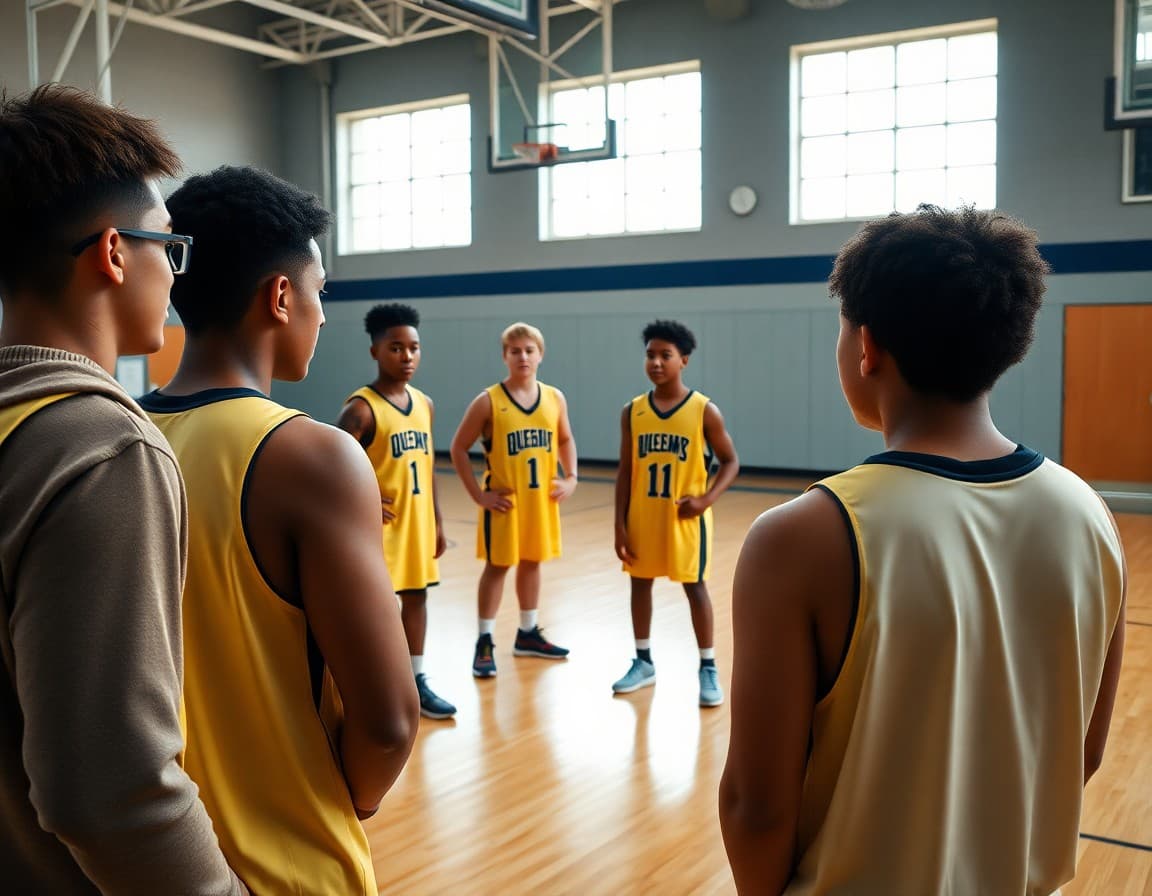
January is when basketball season is in full swing. Conference games matter, schedules get complicated, and families are juggling winter logistics while trying to follow the team. A clear January newsletter keeps everyone oriented and builds momentum toward the back half of the season.
Midseason Record and Standings
Open with the current record. Include how that stands in your conference or division and what it means for playoff positioning. Keep the language factual rather than promotional. Families who follow closely already know the record. Those who do not will appreciate a clear summary. A brief note about what the second half of the season looks like, including any rivalry games or must-win matchups, gives context to the schedule below.
Upcoming Game Schedule
List every remaining regular season game with dates, times, home or away designations, and opponents. Highlight any tournament play, multi-day events, or away trips that require additional planning. If there is a senior night on the schedule, include it with a date so families of seniors can plan ahead. A clean schedule table is more useful than a narrative description of upcoming games.
Second-Semester Eligibility Reminder
January is when first-semester grades are finalized and second-semester eligibility is determined at many schools. Remind families that academic standing affects practice and game participation and that issues discovered in January must be resolved quickly to avoid missing games. Direct families to the registrar or academic counselor for questions. Do not name specific athletes. This reminder is a proactive tool, not a disciplinary announcement.
Travel Game Logistics
For away games or tournaments in January, give families full logistics: departure time from school, expected return time, whether athletes eat before or on the trip, permission form deadlines, and what athletes should bring. Some January tournaments involve overnight travel. If that applies to your program, give families the full itinerary, cost information, and permission form submission process well in advance.
Player and Team Recognition
Midseason is a natural point to acknowledge accomplishments. Conference player of the week awards, milestone statistics, or team achievements like winning streaks or defensive records are worth highlighting. Keep the language factual and specific. Names, stats, and outcomes are more meaningful than general praise.
Booster Club and Home Game Operations
Home games in January typically have the highest attendance of the season. If your booster club runs concessions, a spirit store, or a 50/50 raffle, include any relevant information about volunteer needs or upcoming events. Families who feel connected to the game-night experience are more likely to attend consistently and bring others with them.
Sample January Newsletter Section
Here is a section you can adapt for your own program:
"We are 9-4 heading into the conference stretch. Our next four games are all conference matchups, and a 3-1 run likely secures a playoff spot. Senior night is January 30 at 7:00 PM. Away game to Roosevelt on January 17 departs at 4:00 PM. Permission forms are due January 14. Athletes should bring their own dinner for the trip."
Staying Ahead During the Busy Stretch
The second half of basketball season moves fast. Games pile up, schedules shift, and families need information quickly. Consistent newsletters keep everyone current without requiring individual follow-up conversations. Daystage makes it easy to update your newsletter template each month and send to your full basketball family list in a few minutes, so you stay connected even when the season demands most of your attention elsewhere.
Get one newsletter idea every week.
Free. For teachers. No spam.
Frequently asked questions
What should a basketball January newsletter cover?
January is the heart of basketball season. Cover midseason records and standings, upcoming home and away games, second-semester eligibility reminders, player and team recognition, and any logistics updates like schedule changes or travel policies.
How do you communicate the playoff picture in basketball without creating unrealistic expectations?
Use factual language. State the current record and standing, explain how your conference or district determines playoff eligibility, and list remaining games. Avoid predictions. Families appreciate context over hype, and coaches avoid the awkward position of having overpromised.
What eligibility issues come up in January for basketball players?
Second-semester eligibility checks fall in January for most programs. Athletes who failed courses in the first semester may be ineligible until grades improve. A brief reminder in the newsletter, directed at families rather than athletes, helps parents take action before it becomes a practice disruption.
Should January basketball newsletters include travel game logistics?
Yes. January often has long road trips or tournament travel. Include departure times, expected return times, permission form deadlines, and what athletes should bring for travel. Families who plan around game travel need this information well in advance.
How does Daystage handle game schedule blocks in basketball newsletters?
Daystage has a content block system that lets you drop in a formatted schedule table. You can list every game with date, time, and home or away status in a clean format that is easy to read on a phone. Families can see the entire second half of the season at a glance.

Adi Ackerman
Author
Adi Ackerman is a former classroom teacher and curriculum writer with 8 years in K-8 schools. She writes about school communication, parent engagement, and what actually works in real classrooms.
More for Athletics
Ready to send your first newsletter?
3 newsletters free. No credit card. First one ready in under 5 minutes.
Get started free