
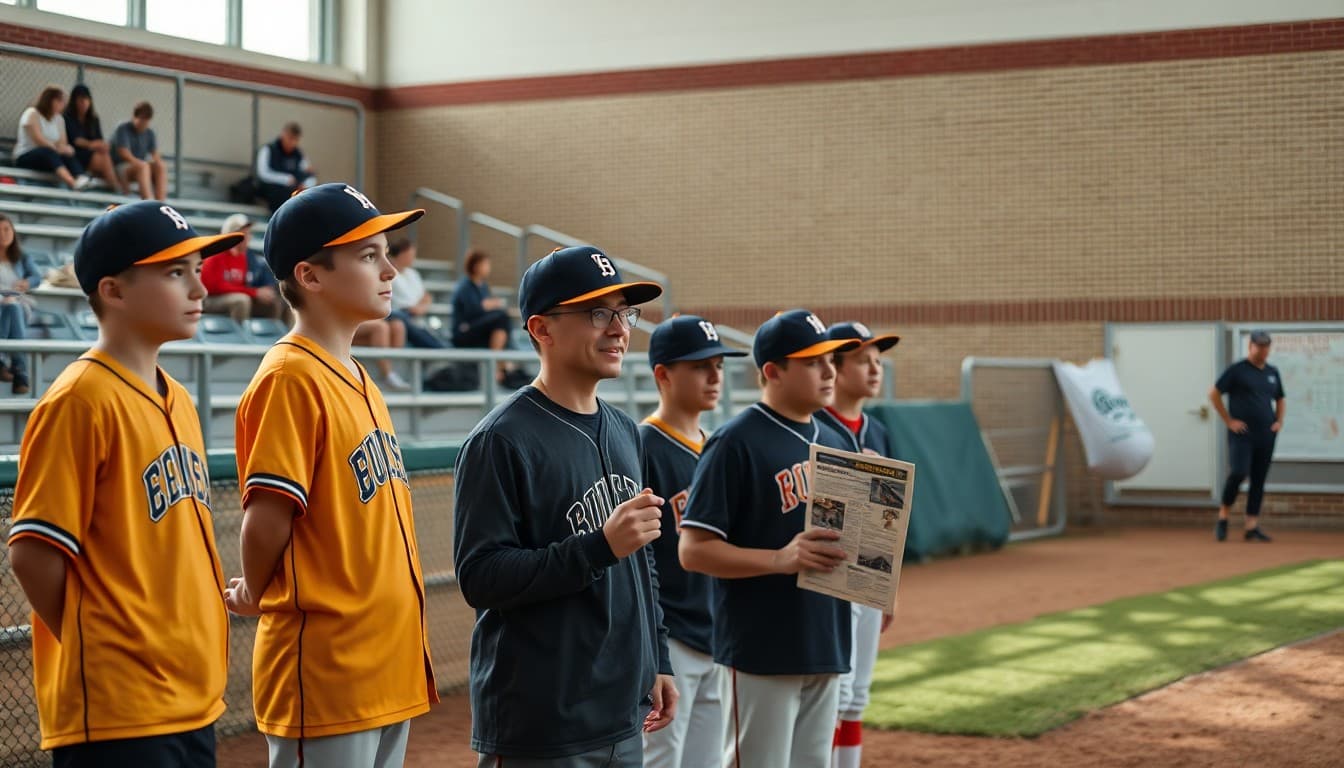
Baseball Team Newsletter: Season Updates for Families
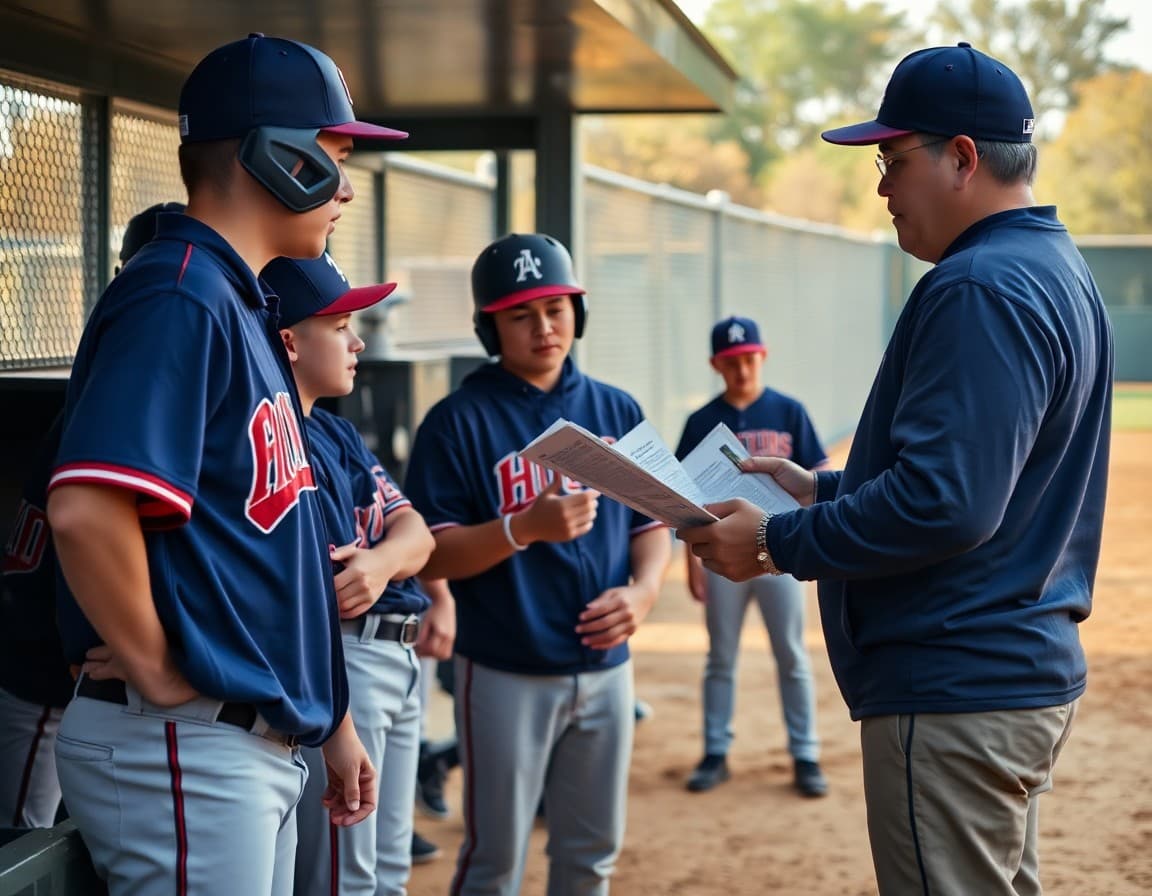
Baseball parents are a specific kind of sports parent. They track batting averages, argue about pitching rotations, and check weather apps obsessively every time a game is scheduled for a Tuesday afternoon in April. A good baseball team newsletter meets them where they are: informed, invested, and always watching the forecast.
The Season Schedule as the Newsletter's Foundation
Every baseball team newsletter should include an up-to-date schedule. Weather cancellations and makeup games mean the original schedule changes constantly through the spring. A newsletter that keeps the current schedule accurate -- noting any changes from the original, including makeup dates and times -- is the most practically useful thing you can produce for baseball families.
Format the schedule as a simple list or table: date, opponent, home or away, start time, and location for away games including address. Include the JV schedule separately if your program runs JV alongside varsity. Parents whose children play on both levels need both schedules visible, and they should not have to search for them in separate communications.
Weather Cancellation Protocol: Establish It in Your First Newsletter
Your first newsletter of the season should establish the cancellation communication protocol clearly. Name the specific platform or channel you will use: "All game cancellations and schedule changes will be sent via [platform] by 2 p.m. on game days. For early morning cancellations, notification will be sent by 6 a.m. Please ensure you are subscribed to receive alerts at [link]." A family who does not know where to look for cancellation notices will either call the school repeatedly or drive to a game that was cancelled an hour earlier.
Also clarify the makeup game policy. Many baseball programs have a pre-designated schedule of makeup dates. If you have reserved makeup slots, tell families at the start of the season so they are not blindsided by a Wednesday afternoon game scheduled to replace a Monday rain-out.
A Template Weekly Baseball Update
Here is a template for a midseason weekly newsletter:
"Week [X] Update -- [Team Name] Baseball. This week we went [record] to bring our season record to [overall record] ([conference record] in conference). [Brief game recap sentence or two.] This week we face [opponent] on [day] at [time/location] and [opponent] on [day] at [time/location]. Away game transportation departs at [time] from [location]. Upcoming: senior night is [date] -- mark your calendars and plan to arrive by [time] for the pregame ceremony."
That template covers record, recent results, upcoming schedule, transportation reminder, and a key date -- all in under 100 words. Add a photo from a recent game and a two-sentence note from Coach and you have a complete weekly newsletter.
Pitching Rotation Communication: Handle It Carefully
Pitching rotation is the most politically sensitive topic in high school baseball family communication. Parents whose children are not getting pitching time want answers. Your newsletter is not the place to address individual pitching decisions, but it is the right place to explain the coaching philosophy around pitch counts and player development generally.
A note that says "We manage pitch counts carefully to protect our pitchers' arms. All athletes on the roster contribute to the team's success, and we make lineup and pitching decisions based on matchups and player readiness" addresses the question parents are asking without inviting individual complaints via reply email.
Senior Recognition Night
Senior Night is the most emotionally significant game of the baseball season for many families. Your newsletter should announce the date and format at least three weeks in advance. Include what families should expect: a pregame ceremony recognizing each senior, player bios read over the PA system, the order of proceedings, whether parents walk out with athletes, and when families should arrive for photos.
A dedicated Senior Night newsletter issue -- sent the week of the game -- that includes a short bio of each senior (with permission) personalizes the recognition and gives families a keepsake. These issues have the highest open rates of any team newsletter send during the season.
Equipment and Uniform Reminders
Midseason is when equipment and uniform issues accumulate. A newsletter section that addresses these practically -- "Athletes who have lost or damaged equipment should report this to Coach before the next practice. All school-issued equipment will be inventoried at the end of the season on [date]. Lost equipment replacement fees are [amounts]" -- prevents the end-of-season billing surprises that create tension between families and the athletic office.
A Note From the Coach
The most effective baseball team newsletters include a brief message from the head coach. It does not have to be long. Two to four sentences about how the team is developing, what the coach is proud of, and what the focus is for the remainder of the season maintains the connection between coaching staff and families that is the foundation of a positive team culture. Coaches who communicate directly with families in the newsletter receive far fewer unexpected phone calls from parents because the lines of communication are already open.
Get one newsletter idea every week.
Free. For teachers. No spam.
Frequently asked questions
How often should a baseball team newsletter be sent during the season?
Weekly during the active season is the right cadence for most high school baseball programs. Biweekly works for programs with lighter schedules or smaller parent communities. The newsletter should go out on a consistent day -- Monday or Tuesday recapping the previous week and previewing the upcoming schedule is a format that works well. Consistency matters more than frequency: a biweekly newsletter that arrives reliably builds more family engagement than a weekly one that sometimes misses.
What is the best way to communicate baseball weather cancellations?
Baseball weather cancellations need to be communicated quickly, often with less than two hours notice. Text message or push notification through a school athletics app is faster than email for same-day changes. Your team newsletter should establish the cancellation communication channel in the first issue so families know where to look. Consider including a cancellation hotline number or a specific social media account parents can check, alongside email notification.
How do you write about individual players without creating problems?
Focus on team achievements, plays, and moments rather than individual statistics when writing for a team-wide newsletter. Highlighting individual performance is appropriate when it is achievement-based (player of the week recognition, a milestone like 100 career strikeouts) rather than comparative (best batting average on the team). Always get the head coach's approval before naming individual players in any achievement context. Avoid mentioning errors or poor performances in the newsletter -- focus on what went well and what the team is working toward.
What should a midseason baseball newsletter include?
A midseason baseball newsletter should recap the win-loss record and standing in the conference, highlight any memorable games or achievements from the past few weeks, preview the remainder of the schedule including any tournament or playoff implications, address any equipment or uniform issues that need attention, and remind families of upcoming senior recognition or banquet dates. A brief note from the head coach personalizes the newsletter and maintains the coach-family relationship throughout the season.
Can Daystage help baseball coaches communicate with team families more efficiently?
Yes. Daystage lets coaches build a professional team newsletter with photos from recent games, the current schedule, and a note from the coach -- all in one send to the team family list. You can set up a recurring newsletter template so weekly updates take 20 minutes rather than an hour. Coaches who use Daystage for team communication report that parents come to games better prepared and that sideline coaching complaints decrease when families feel informed throughout the season.

Adi Ackerman
Author
Adi Ackerman is a former classroom teacher and curriculum writer with 8 years in K-8 schools. She writes about school communication, parent engagement, and what actually works in real classrooms.
More for Athletics
Ready to send your first newsletter?
3 newsletters free. No credit card. First one ready in under 5 minutes.
Get started free