
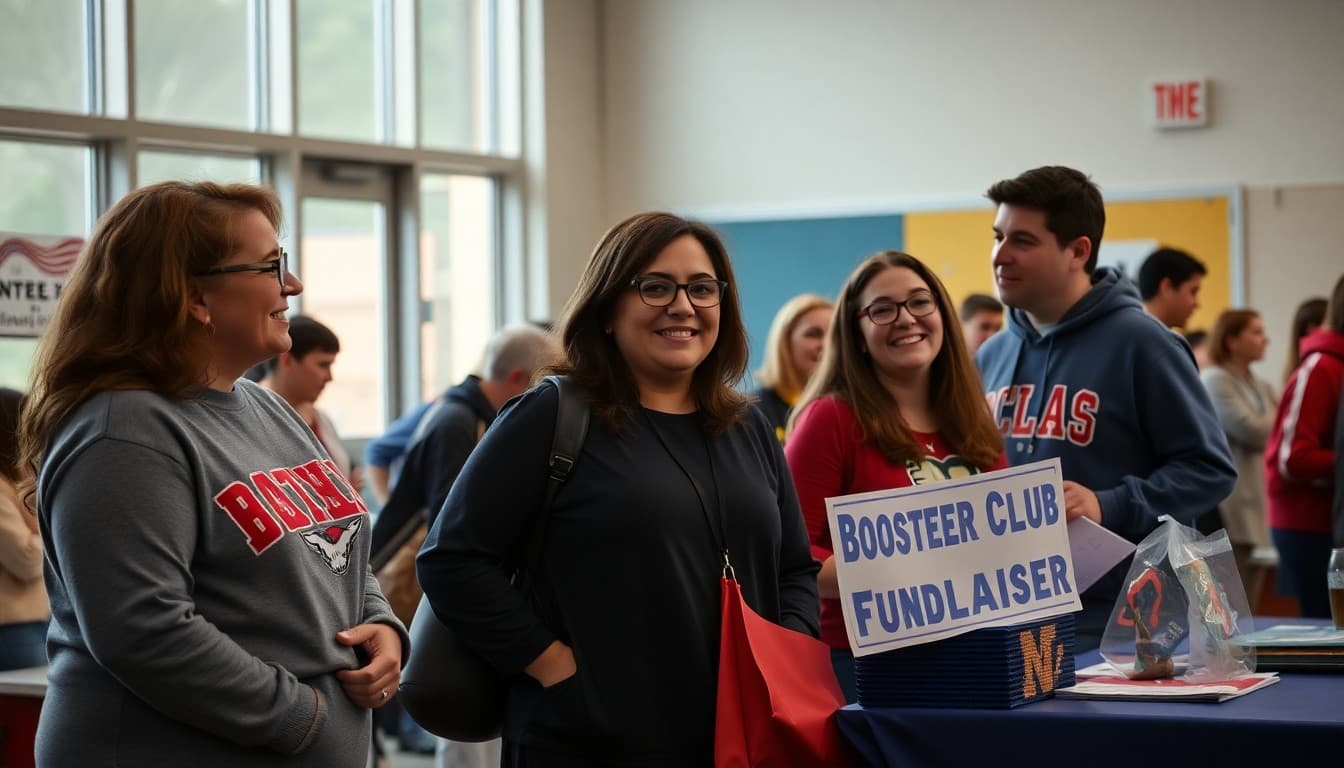
Athletics Booster Club Newsletter: Season Updates and Events
A school athletics booster club newsletter does three things at once: it recruits volunteers for specific needs, it updates donors on how their money is being used, and it builds the school sports community that makes athletics programs sustainable year after year. None of those functions happen from a single annual email. They happen from consistent, specific, well-organized communication.
The First Newsletter of the Year: Membership and Vision
The first booster club newsletter of the school year should accomplish two things: announce the membership drive and set the vision for the year. Who is on the leadership team, what are the organization's goals for the year, and what does a membership fee specifically fund? A booster club that answers these questions in the first newsletter gives prospective members a reason to join before they get busy and forget.
Be specific about what membership funds: "Your $50 annual membership supports athletic program needs that school funding does not cover: equipment replacement, transportation supplements for away competitions, end-of-season banquet support, and recognition awards. Last year, our booster club raised $32,000 that directly supported all 14 of our school's athletic programs." Numbers build credibility. Vague references to "supporting our athletes" do not.
Volunteer Recruitment: Specificity Drives Action
The most reliable pattern in booster club communication is this: specific requests get filled, general requests do not. A parent who intends to help but has not committed will sign up for a specific two-hour shift with a direct link and a clear role. They will not spontaneously respond to "we need volunteers."
Every volunteer ask in your newsletter should include: the event name, date, time, specific role description, number of volunteers needed, and a sign-up link or direct contact. "We need 4 parents for the concession stand at the boys basketball game on December 12 from 4:30 to 8:30 p.m. Sign up at [link]. No experience required -- training is provided. Volunteers receive complimentary admission to the game." That is a complete volunteer ask.
A Template Booster Club Monthly Newsletter
Here is a structure that works for a monthly booster club newsletter:
"[Month] Athletics Update from the [School] Booster Club. Sports this month: [brief recap of each active sport's progress]. Upcoming volunteer needs: [specific asks with dates, times, and sign-up links]. Fundraiser update: [current fundraiser progress toward goal]. Next booster meeting: [date, time, location, agenda items]. Spotlight: [brief recognition of a volunteer or donor with permission]. Member renewal reminder: memberships expire [date] -- renew at [link]. Questions: contact [name] at [contact]."
Fundraiser Communication That Shows Impact
Every fundraiser in your newsletter should answer the same question the donor is asking: what will this money do? A newsletter that says "our fall wrapping paper fundraiser runs through November 15" does not motivate participation the way "our fall fundraiser goal of $8,000 will replace the wrestling mats that have been in use for 12 years -- current condition makes them a safety concern. We are 40 percent of the way there with three weeks remaining" does. Progress toward a specific goal activates the completion motivation that makes fundraising campaigns work.
Recognizing Volunteers and Donors
Volunteer and donor recognition in the newsletter serves two purposes: it thanks the people who contributed, and it shows prospective contributors that the booster club recognizes its supporters publicly. A monthly recognition section -- even just a list of names with a thank-you line -- signals to the community that contributions are seen and appreciated. Get permission before naming individuals publicly, especially for donors. Some prefer to remain anonymous and their preference should be respected.
The End-of-Year Impact Report Newsletter
The most important booster club newsletter of the year is the end-of-year summary. It should cover the total amount raised, where the funds went with specific program and purchase details, volunteer hours contributed, and the specific programs and athletes whose experiences were improved by the booster club's work. This newsletter does the work of next year's first membership drive before it starts -- families who see concrete impact are far more likely to renew membership and encourage others to join.
Get one newsletter idea every week.
Free. For teachers. No spam.
Frequently asked questions
What should an athletics booster club newsletter cover?
A booster club newsletter should cover: upcoming volunteer opportunities with specific sign-up links, current and upcoming fundraisers with progress toward goals, how funds raised benefit athletes directly, recognition of recent volunteers and donors, upcoming booster club meetings, sports program highlights and achievements, and a membership drive or renewal reminder if appropriate. The newsletter serves both as a communications vehicle and a fundraising tool, so both functions should be present in every issue.
How often should a booster club newsletter be sent?
Monthly is the minimum for a booster club newsletter. Biweekly during the active sports seasons when there are more immediate volunteer needs, events, and updates is better. The newsletter cadence should align with the school athletic calendar -- higher frequency in September when fall sports ramp up, in November/December during winter sports, and in March/April during spring season. Maintaining some communication over summer keeps the booster membership engaged and primed for fall kickoff.
How do you make a booster club newsletter effective at recruiting volunteers?
Volunteer recruitment works when requests are specific rather than general. 'We need help' generates no action. 'We need 4 parents to staff the concession stand on Friday, October 15th from 5 to 9 p.m. -- sign up at [link]' generates sign-ups. Every volunteer request in the newsletter should include the specific event, date, time, role, and a direct link to sign up or reply. Follow up with a reminder the week before the event. Families who intend to sign up but have not yet done it respond to reminders.
How should a booster club newsletter communicate fundraising impact?
Fundraising newsletters that show impact get better responses than those that just show need. Instead of 'We need to raise $5,000 for equipment,' write 'We need $5,000 to replace the track and field throwing implements that are beyond safe use. Each implement costs approximately $400. A donation of $100 gets us one-quarter of the way to replacing one. Every contribution moves us closer to giving our athletes the equipment they deserve.' Specific, concrete impact statements convert readers into donors more reliably than general appeals.
Can Daystage help booster clubs send professional newsletters that drive engagement?
Yes. Daystage lets booster club presidents and officers build visually professional newsletters with volunteer sign-up links, fundraiser progress meters, event photos, and athlete spotlights all in one send. Schools that run their booster club newsletter through Daystage report higher volunteer sign-up rates and stronger donor response compared to plain-text email campaigns, because the newsletter looks like something worth reading and acting on.

Adi Ackerman
Author
Adi Ackerman is a former classroom teacher and curriculum writer with 8 years in K-8 schools. She writes about school communication, parent engagement, and what actually works in real classrooms.
More for Athletics
Ready to send your first newsletter?
3 newsletters free. No credit card. First one ready in under 5 minutes.
Get started free