
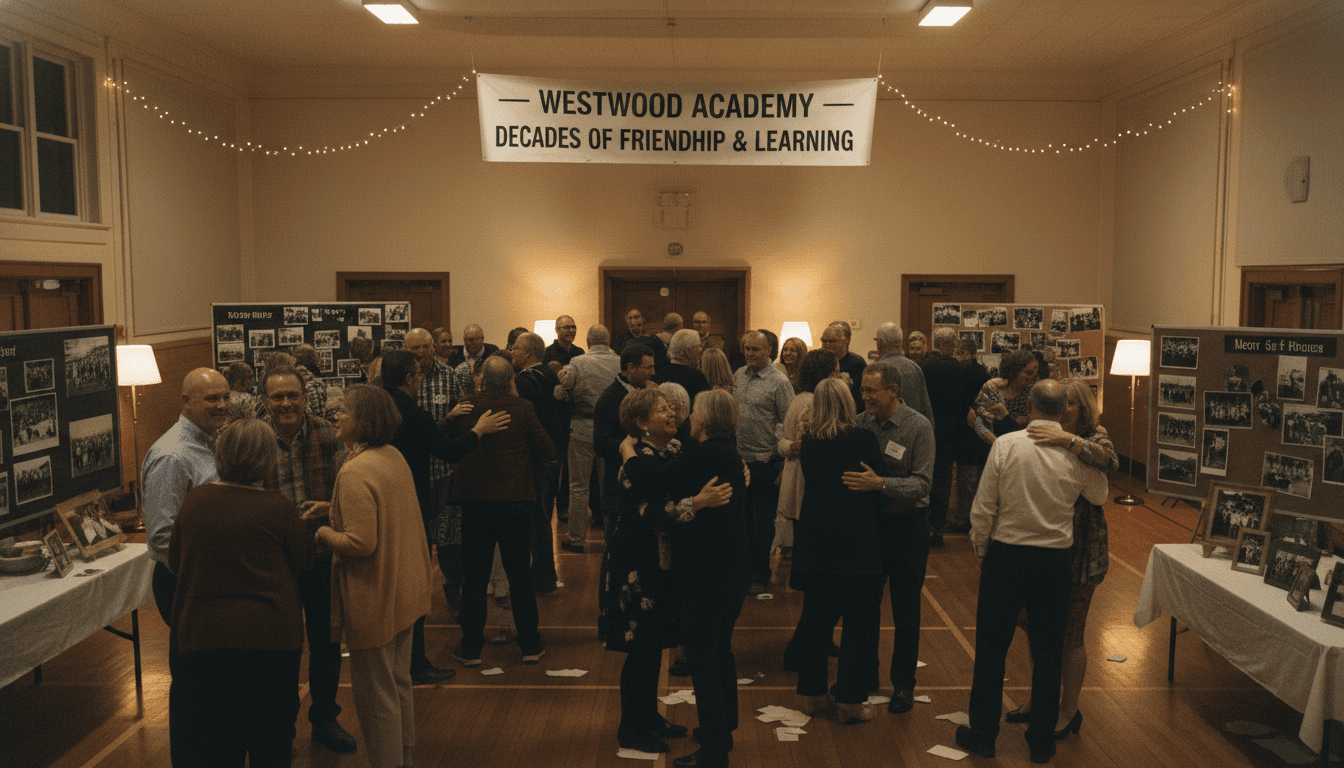
Booster Club Strategic Planning Newsletter
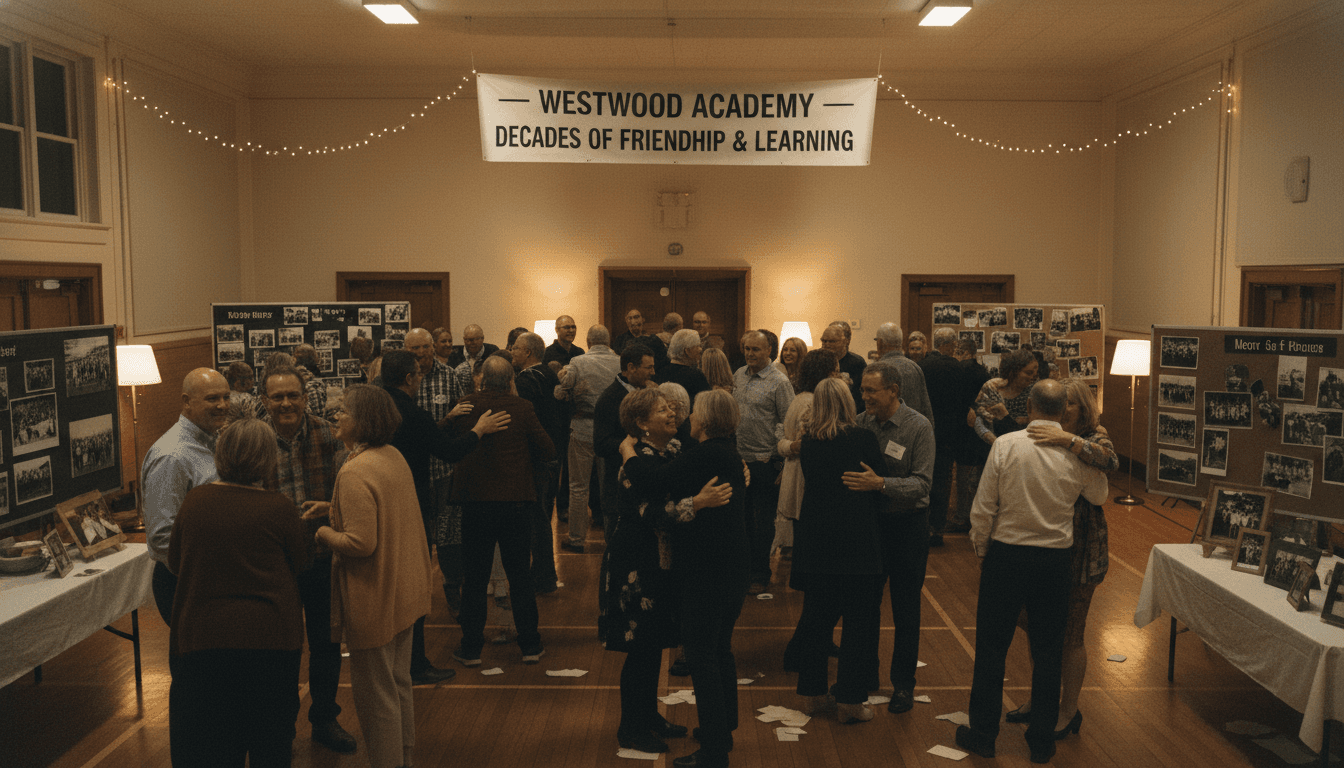
A booster club that operates year to year without a multi-year direction is vulnerable to losing momentum during leadership transitions. A strategic planning process, communicated clearly through your newsletter, gives the organization continuity and gives members a meaningful reason to stay engaged beyond the current officer term.
Explain why you are doing strategic planning now
Open the newsletter with the reason. The current officers are wrapping up their terms and the incoming leadership wants to inherit a clear direction. The program the booster supports is entering a new phase and the club needs to align its goals. The organization has grown significantly and needs more structure to function well. A specific reason for the timing makes the planning process feel purposeful rather than procedural.
Invite member input before the plan is finalized
A strategic plan that members helped shape is one they will support. A plan that was developed by the officers and presented as finished is one that members may or may not follow. Include a short survey link or a call for member input at a specific meeting. Ask two or three focused questions: what should we be doing more of, what should we stop doing, what one goal for the next three years would make you proud to be part of this organization?
Share the planning priorities and how you got there
In the newsletter following the planning process, share the plan's top three to five priorities and a brief explanation of why each was chosen. If member input shaped any of the choices, say so specifically. "We heard from over forty members that transportation to away events was the top unmet need. That is now one of our three-year funding goals." Connecting decisions to input closes the loop and builds trust.
Name the specific goals with measurable outcomes
Vague goals produce vague results. "Improve our fundraising" is not a goal. "Raise $30,000 over the next two years to fund the new training equipment the program has requested" is a goal. Members who can see the target and the outcome are more motivated than those who are given a direction without a destination.
Commit to annual progress updates
Close with a commitment to report on progress at least once per year. Tell members when they will hear an update. A strategic plan that disappears after the announcement is not a plan. It is a document. The newsletter that comes back twelve months later with a progress report demonstrates that the plan is real and being executed.
Get one newsletter idea every week.
Free. For teachers. No spam.
Frequently asked questions
Why should a booster club have a strategic plan?
A strategic plan gives the organization direction across multiple officer terms, prevents good ideas from getting lost during leadership transitions, and helps members understand where the organization is headed and why. It also makes recruiting new members and sponsors easier because you can articulate a specific vision.
What should a strategic planning newsletter invite members to weigh in on?
The programs and activities the club wants to prioritize over the next two to three years, the fundraising goals needed to support them, the volunteer structure that makes the plan achievable, and any structural changes the board is considering.
How do you build member buy-in through the newsletter?
By actually incorporating member input and reporting back on what you heard. A newsletter that asks for input and then follows up with 'here is what we heard and here is how it shaped the plan' builds more trust than one that presents a finished plan with no visible member influence.
How long should a booster club strategic plan cover?
Two to three years works well for most booster clubs. Long enough to plan across officer terms, short enough that the goals remain relevant. Annual check-ins on progress and a full review every three years keeps the plan current.
How does Daystage help booster clubs communicate strategic plans to members?
Daystage makes it easy to send planning input surveys, results newsletters, and annual progress updates to the full membership, keeping everyone informed and invested in the organization's direction.

Adi Ackerman
Author
Adi Ackerman is a former classroom teacher and curriculum writer with 8 years in K-8 schools. She writes about school communication, parent engagement, and what actually works in real classrooms.
More for Alumni & Boosters
Ready to send your first newsletter?
3 newsletters free. No credit card. First one ready in under 5 minutes.
Get started free