

Booster Club Scholarship Newsletter: Supporting Student Athletes
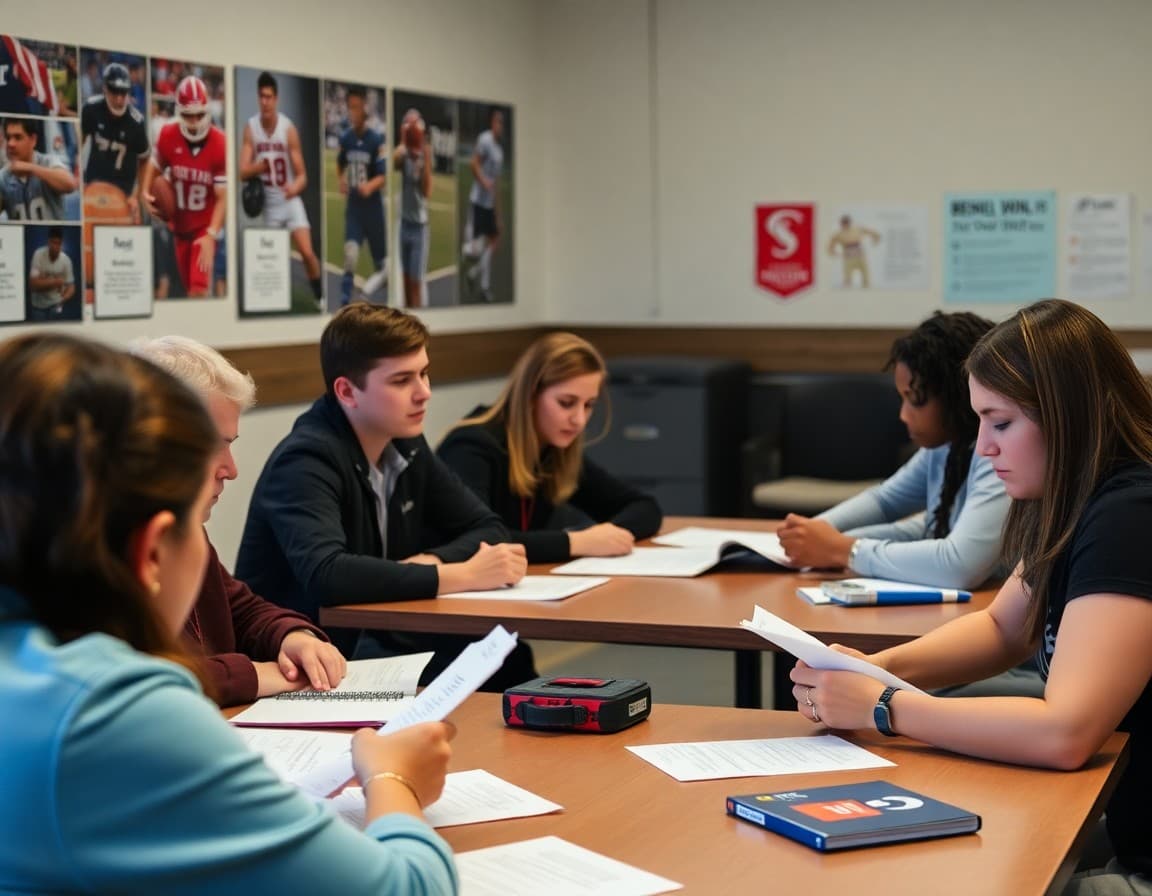
A booster club scholarship is one of the most tangible investments a school's athletic community can make in its students. It connects the booster club's fundraising to a specific student whose future it directly affects, and it gives donors a concrete outcome to point to when they describe what their contribution accomplished. A well-written scholarship newsletter makes the award visible, competitive, and worthy of the community's investment.
Open With the Scholarship's Story and Purpose
If the scholarship is named after a former athlete, a community member, or a founding booster club member, tell that story in two to three sentences. A named scholarship with a person and a purpose behind it carries more weight than an unnamed general scholarship fund. If the scholarship is not yet named, describe why it was created: to recognize students who excel both athletically and academically, who demonstrate leadership both on and off the field, and who represent the values the booster club stands for.
State the Award Amount and What It Covers
Be specific: the scholarship is $2,500 awarded annually to one graduating senior to be applied toward tuition at an accredited college, university, community college, or vocational program. If multiple awards are given, state the number and amount for each. If the award is distributed over multiple years of enrollment (payable for up to four semesters), describe how that works. Families and students make application decisions based on whether the effort required matches the potential award, so clarity about the amount and application matters.
List the Eligibility Requirements
Be precise: graduating senior in the current school year; cumulative GPA of 3.0 or higher as of the application deadline; varsity or junior varsity letter in at least one school sport during high school; enrolled or accepted at an accredited postsecondary institution; completed application submitted by April 15. State whether financial need is a factor and to what extent it weighs in the selection process. Include the school's name and whether transfer students who have completed at least two years at the school are eligible.
Describe the Application Requirements
List every component: the application form (include the direct link), a personal essay of 400-600 words on athletic experiences and post-secondary goals, an official transcript, two letters of recommendation from teachers or coaches (submitted separately by the recommenders by the deadline), and a completed activities and awards list. State whether letters should be submitted in a sealed envelope or emailed directly to the selection committee. Include the email address or submission portal for each component.
Template Excerpt: Scholarship Announcement Opening
Here is an opening section you can adapt:
"The Lincoln High Athletic Booster Club is pleased to announce the 2027 Coach Rivera Memorial Scholarship, a $2,500 award for one graduating senior student-athlete. Coach Rivera dedicated 22 years to our program and believed that what athletes learn on the field carries them further than any score. This scholarship honors that belief. Applications are open to all graduating seniors who have lettered in a school sport and carry a 3.0 GPA or higher. Application deadline: April 15. Full criteria and the application form are at boosterclub.lincolnhigh.org."
Explain the Selection Process and Timeline
Describe how the selection committee works: three to five committee members who are not current parents of applicants review all complete applications blind (without student names). The committee selects a finalist pool and meets to discuss and vote. The award is announced at the annual athletic banquet in May or by letter before graduation. Transparency about the selection process reduces the perception that the award is given to a pre-selected candidate and encourages more students to apply.
Invite Donations to the Scholarship Fund
A scholarship newsletter is an ideal place to ask for contributions to the fund. Explain how donations are used: contributions go directly into the scholarship endowment and grow the award amount or the number of awards over time. Include a donation link and any matching gift opportunity if one exists. Name the current fund balance or the goal amount the booster club is working toward. Donors who understand that their contribution compounds over years rather than being spent in one year are more likely to make recurring gifts.
Close With Acknowledgment of Prior Recipients
If the scholarship has been awarded in previous years, name the prior recipients by year and the institution they attended. A list of prior recipients makes the scholarship feel real and accomplished rather than aspirational. It also signals to the current senior class that students from this school have won this award and gone on to pursue education and careers, which is the kind of social proof that motivates applications. End with the selection committee's contact email for questions and the deadline to apply one more time, prominent and clear.
Get one newsletter idea every week.
Free. For teachers. No spam.
Frequently asked questions
What should a booster club scholarship newsletter include?
Include the scholarship name and its origin story if it is named after a person, the award amount, eligibility criteria (GPA requirement, sport participation, grade level), application components (essay, recommendation letters, transcript), the deadline, how the selection committee works, when and how the award will be announced, and how community members can contribute to the scholarship fund. A complete newsletter allows every eligible student to apply and every potential donor to contribute.
How should a booster club communicate scholarship selection criteria fairly?
State the criteria in plain, specific terms: a cumulative GPA of 3.0 or higher, varsity participation in at least one school sport, a 500-word essay on athletic and academic goals, and two letters of recommendation. Avoid vague qualifiers like 'demonstrated character' without specific evidence requirements. When criteria are clear and specific, more students apply, and the selection process is easier to defend if questioned. Include whether financial need is a factor and to what degree.
How do booster clubs grow their scholarship fund over time?
Effective scholarship fund growth strategies include an annual direct appeal to alumni who received the scholarship in prior years asking them to give back, a matching gift campaign during the spring giving period, a named endowment option for significant donors who want to create a lasting gift, and a recognition wall or program book acknowledgment for donors at specific giving levels. A scholarship fund that shows consistent growth year over year attracts more community donors than one that stays flat.
Should a booster club scholarship be limited to student athletes, or can non-athletes apply?
Most booster club scholarships are specifically for student athletes because the booster organization exists to support athletics. Some broader athletic boosters extend eligibility to students who supported the program through student management, athletic training internships, or scorekeeper roles. State the eligibility requirement clearly in the newsletter. If non-athlete supporters are eligible, name the specific roles that qualify so families are not left guessing.
Can Daystage help booster clubs send the scholarship announcement newsletter to students and alumni?
Yes. Daystage lets booster clubs send a formatted scholarship newsletter with embedded application form links to student families, alumni, and community members at once. The newsletter can include a direct donation button for families who want to contribute to the scholarship fund alongside the application announcement.

Adi Ackerman
Author
Adi Ackerman is a former classroom teacher and curriculum writer with 8 years in K-8 schools. She writes about school communication, parent engagement, and what actually works in real classrooms.
More for Alumni & Boosters
Ready to send your first newsletter?
3 newsletters free. No credit card. First one ready in under 5 minutes.
Get started free