
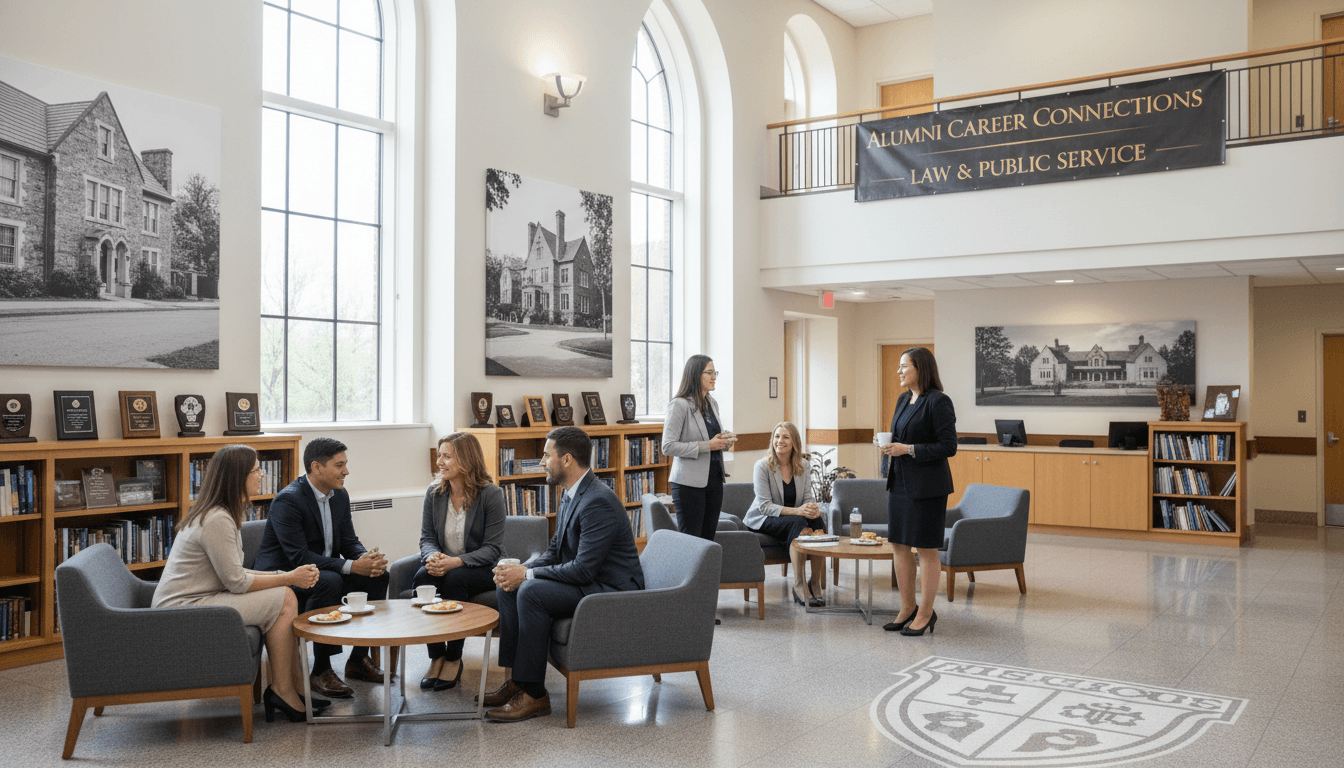
Booster Club Banquet Newsletter: End of Season Celebration
The end-of-season banquet is the one event where your whole program gathers in one room to celebrate what the team built together. A clear, well-timed newsletter campaign is what gets families to actually show up and makes the night feel like the milestone it is. Here is how to plan it from announcement to thank-you follow-up.
Lock Down Your Logistics Before the First Email
Do not send a banquet announcement until you have confirmed the date, time, venue, and meal plan. Families will immediately ask "Can I bring my other kids?" and "Is it formal?" and "Is parking free?" If you cannot answer those questions, you are not ready to announce. Nail down your venue, headcount estimate, catering option (sit-down meal, buffet, or catered sandwiches), and any dress code before your first send.
Common banquet venue options for high school programs: school cafeteria or gym with rental tables, a local community center, a banquet room at a nearby restaurant, or a hotel ballroom for larger programs. Budget typically runs $20-$45 per person for a catered meal at a non-school venue.
Structure Your Invitation Email in Three Blocks
Your banquet invitation newsletter should answer three questions immediately: what this is, when and where it is, and what families need to do. Keep the invite email tight. Parents are busy and scan before they read. Lead with the event name and date in your subject line, open with 2-3 sentences of context, and then drop a clear RSVP call to action.
Sample opening: "Join us for the [School Name] [Sport] End-of-Season Banquet on Thursday, November 20th at 6:30 PM in the school cafeteria. We will celebrate every athlete on the [Year] roster, present team awards, and honor our seniors. RSVP by November 13th so we can plan seating and meals."
Be Specific About Guest Tickets and Seating
Vague invitations cause headaches. Specify exactly how many guests each athlete may bring, whether younger siblings are included, and whether there is a charge per guest. If seating is limited, say so. If you are doing assigned tables, note that in the RSVP form. If the venue has capacity for 200 and your program has 80 athletes, letting every athlete bring 2 guests fills the room and anything beyond that requires a waitlist.
If you are charging for guest meals, list the price and payment method clearly. Something like "Athlete admission is free. Each additional guest is $20, paid at RSVP through [link]." Ambiguity here causes conflict at the door.
Build an Agenda and Share It in Advance
Families appreciate knowing what to expect and roughly how long to stay. A sample agenda for a 2-hour banquet: 6:30 PM doors open and guests find seats, 6:45 PM dinner service begins, 7:15 PM welcome remarks and program overview, 7:30 PM coach remarks and season highlights video, 7:45 PM individual athlete recognition, 8:15 PM award presentations, 8:30 PM senior send-off and closing remarks, 8:45 PM informal mingling and photos. Share this agenda in your pre-event reminder email so families with younger kids can plan accordingly.
Recognize Every Athlete by Name
The recognition portion of the program is the reason athletes and families attend. Saying each athlete's name out loud, even briefly, matters. For larger rosters, the coach can read names with one sentence of individual acknowledgment per athlete. For smaller programs, expand to 3-5 sentences per player with specific highlights from the season.
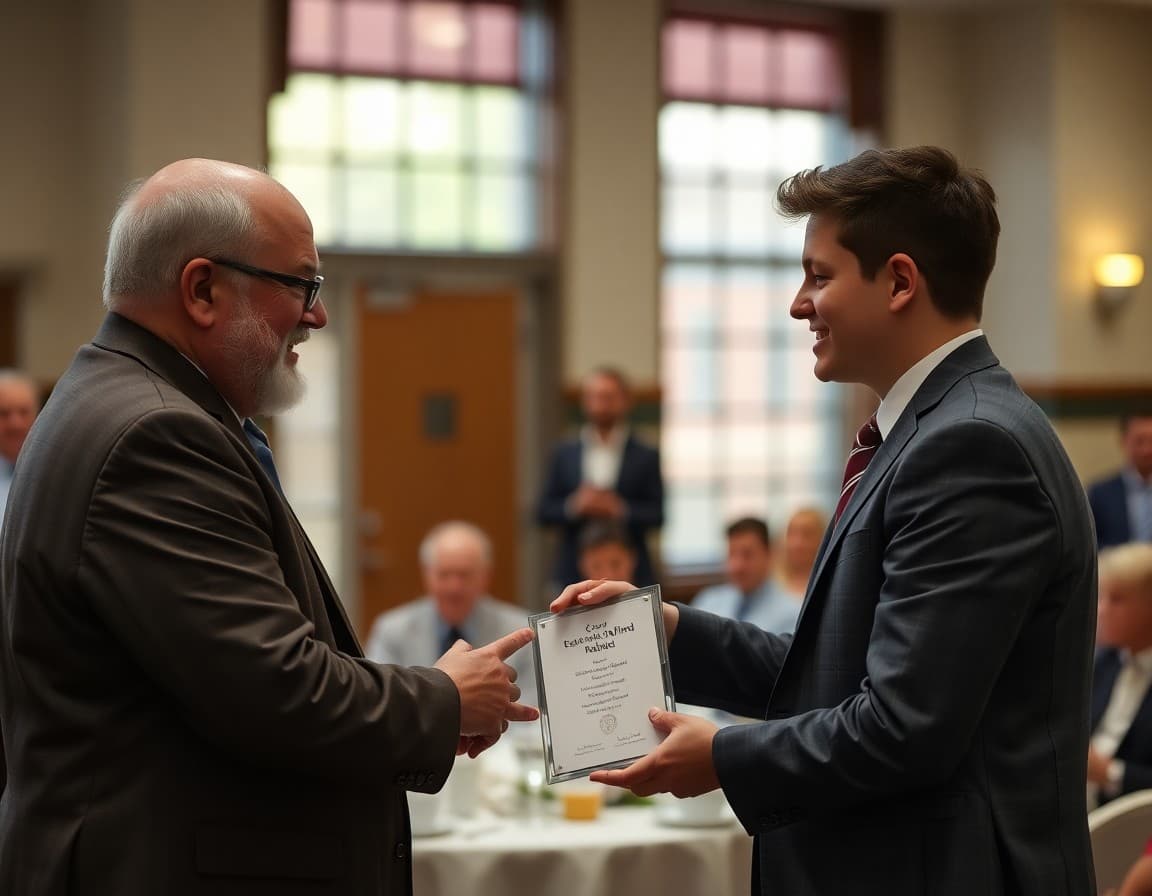
If you have a senior class, give them a separate moment. Many programs create a short senior video or slide show. Others give seniors a small keepsake like a custom ornament, shadow box, or framed photo collage from the season. This is often the most emotional part of the night and families remember it for years.
Plan the Awards Presentation
Keep your awards list short enough that each one carries weight. 3-5 awards is the right range for most programs. More than that dilutes the significance. Announce award categories in your newsletter before the banquet so athletes know what is being given, but keep the recipients secret until the night.
If your booster club funds a scholarship, the banquet is the right time to present it. Coordinate with the coaching staff and school administration on the selection criteria and recipient in advance. Presenting a scholarship at the banquet adds a layer of significance that a standard award ceremony does not have.
Send a Recap Newsletter After the Event
Within 72 hours of the banquet, send a follow-up newsletter with photos from the night, a list of award recipients, and a thank-you to families, coaches, and volunteers. This email gets high open rates because families want to see photos of their athletes. Include a message from the booster president or head coach.
This recap also serves as your public record of the season's milestones. Archive it alongside your other communications so future booster board members can reference it when planning the next year's banquet.
Use the Banquet to Set Up Next Season
End the banquet newsletter with a brief forward-looking message: next season's tryout dates if known, a note about booster club membership for the following year, and a call for any families interested in joining the booster board. The end of the season is the easiest time to recruit new volunteers because parents are emotionally invested and the season is fresh. Capture that energy before it fades.
Get one newsletter idea every week.
Free. For teachers. No spam.
Frequently asked questions
How far in advance should we send the banquet newsletter?
Send your first banquet announcement 4-6 weeks before the event. This gives families time to arrange childcare, request time off work, and plan transportation. Follow up with an RSVP reminder 2 weeks out, and send a final logistics email 3 days before the banquet with parking instructions, dress code, and the event timeline.
What should the banquet program include?
A standard booster banquet program includes a welcome from the booster president, remarks from the head coach, individual athlete recognition with stats or accomplishments, award presentations, a senior send-off if applicable, and a closing message. Keep the formal portion under 90 minutes. Families arrive for the meal and the athletes, not for extended speeches.
How do we handle ticket sales or meal registration for the banquet?
Decide whether the banquet is free to athletes and whether guests pay. A common structure is free admission for athletes and coaches, with a per-person meal fee for family guests (typically $15-$30 depending on your venue and catering). Collect RSVPs and payment through your school payment platform or a ticketing tool at least 10 days before the event so you can give a headcount to the caterer.
What awards are typically given at a booster banquet?
Standard athletic banquet awards include MVP, Most Improved, Best Teammate, and team captain recognition. Many programs also give seniors a special acknowledgment. Coaches may add sport-specific awards like Offensive MVP or Top Defender. If you have a booster scholar-athlete award or a memorial award in a community member's name, the banquet is the right venue to present it.
Can Daystage handle RSVP collection for a banquet newsletter?
Yes. Daystage newsletters include an RSVP block that lets you collect guest counts and meal preferences directly from the email. Responses are tracked in your dashboard so you can see who has replied and follow up with those who have not. This is much cleaner than managing a separate Google Form and chasing replies through email threads.

Adi Ackerman
Author
Adi Ackerman is a former classroom teacher and curriculum writer with 8 years in K-8 schools. She writes about school communication, parent engagement, and what actually works in real classrooms.
More for Alumni & Boosters
Ready to send your first newsletter?
3 newsletters free. No credit card. First one ready in under 5 minutes.
Get started free