
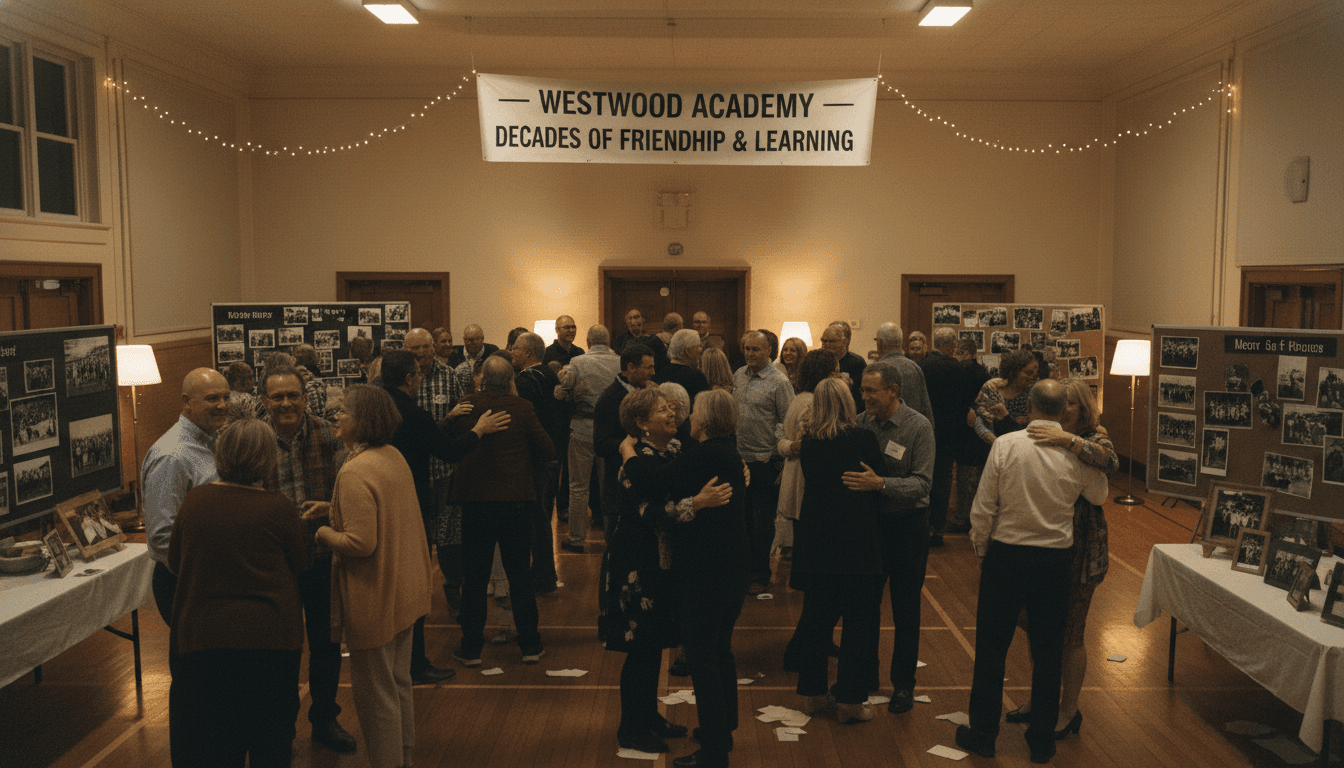
Alumni Legacy Newsletter: How to Communicate the Lasting Impact of Your School's Programs on Graduates
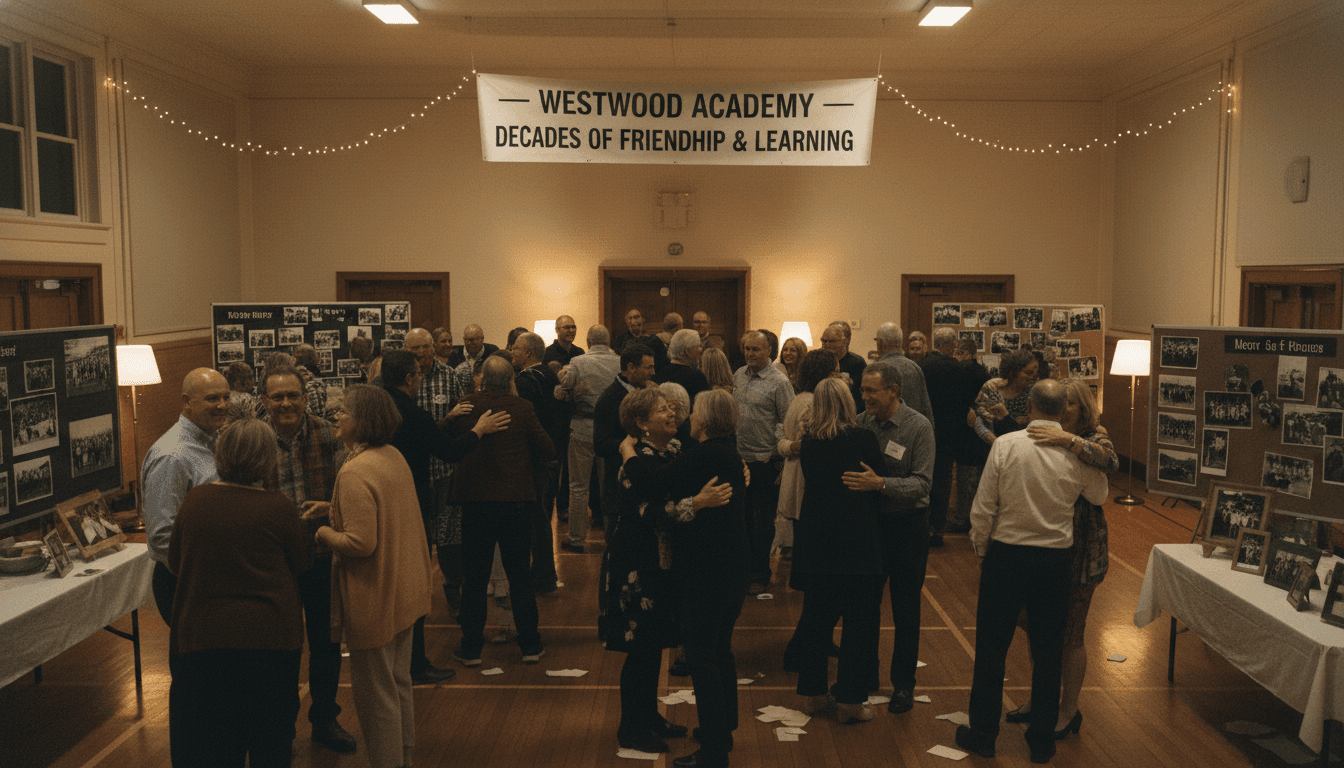
Legacy newsletters are the deepest investment an alumni program can make in its relationship with graduates. They require more content development than standard quarterly issues. They demand a different tone. And they pay off in ways that standard newsletters do not: planned gifts, sustained multi-year giving, and alumni who become active advocates for the institution rather than passive recipients of communication.
Not every school needs a dedicated legacy newsletter program. But schools with active planned giving programs, significant alumni fundraising, or strong institutional identity benefit enormously from a communication vehicle designed specifically for long-term engagement.
What makes legacy content different
Legacy newsletter content looks back across time rather than reporting current events. It asks: what has this school produced over decades? What patterns of achievement, character, or community commitment appear across generations of graduates? What does the cumulative effect of the education this institution provides look like when you trace it through hundreds of individual lives?
These questions generate content that standard alumni newsletters cannot produce because they are oriented toward the long arc rather than the current moment.
Multi-generational alumni stories
Nothing communicates institutional legacy more powerfully than a story that spans multiple generations of the same family. A grandparent who graduated in the 1960s, a parent who graduated in the 1990s, and a current student creates a living demonstration of what the school has meant across decades.
These stories require active searching. The school's enrollment records, reunion registrations, and alumni database are sources for identifying multi-generational families. Once identified, a brief interview with two or three family members produces content that the entire alumni community finds compelling, regardless of their own class year.
Program legacy stories
Programs that have run for multiple decades produce their own kind of legacy story. A drama program that has existed since 1970 has produced thousands of students who carry some part of that experience in how they present themselves professionally, how they handle nerves, how they tell stories. A science program that has generated multiple PhD graduates over the years has a research legacy.
Tracing these program legacies across time and through the lives of graduates they produced is legacy newsletter content at its best.
Planned giving and legacy philanthropy
Legacy newsletters are the natural home for planned giving information. Not a pitch but a factual, dignified mention of what planned giving means for the school's long-term capacity. Include a brief section that describes the planned giving program, what types of gifts qualify, and who to contact for more information.
Donors who are considering naming the school in an estate plan often need only a clear pathway, not persuasion. The legacy newsletter creates the pathway and the relationship context that makes the decision feel natural rather than transactional.
Cadence and audience for a legacy newsletter
A legacy newsletter published twice per year is appropriate for most school programs. The audience is typically a subset of the full alumni list: multi-year donors, reunion committee members, named gift donors, and highly engaged volunteers. This is a smaller, more curated list than the general alumni newsletter but it is also the most important segment for the school's long-term philanthropic health.
Get one newsletter idea every week.
Free. For teachers. No spam.
Frequently asked questions
What is an alumni legacy newsletter and who should receive it?
A legacy newsletter focuses on the long-term impact of the school on its graduates and the community. It is most relevant to alumni who have been giving for multiple years, alumni who have named the school in an estate plan or are considering it, and highly engaged community members who care about institutional history. It sits at the most relationship-rich end of the alumni communication spectrum.
How does a legacy newsletter differ from a standard alumni newsletter?
A standard alumni newsletter covers current news, upcoming events, and recent achievements. A legacy newsletter focuses on the longer arc of the school's impact: multi-generational alumni families, programs that have shaped generations of graduates, and the cumulative effect of community investment over decades.
How do you introduce planned giving in a legacy newsletter without it feeling like a solicitation?
Include a brief factual section about planned giving options after at least two pieces of relationship and impact content in the same issue. Frame it as information for those who are thinking about their philanthropic planning rather than a call to action. Donors who are ready to include the school in an estate plan often need only a clear pathway, not a pitch.
What stories work best in a legacy newsletter?
Multi-generational alumni stories are the strongest content. A family where a grandparent graduated in 1965, a parent in 1995, and a current student is enrolled creates a living legacy story. Alumni who founded organizations, created careers, or built families that trace directly to their school experience also provide powerful content.
How does Daystage support legacy-focused alumni newsletters?
Daystage provides subscriber list management and inline email tools for school communication programs. Legacy newsletter programs use it to reach the most engaged segment of the alumni audience with a consistent, professional format.

Adi Ackerman
Author
Adi Ackerman is a former classroom teacher and curriculum writer with 8 years in K-8 schools. She writes about school communication, parent engagement, and what actually works in real classrooms.
More for Alumni & Boosters
Alumni Online Community Newsletter
Alumni & Boosters · 5 min read
Booster Club Bylaws Update Newsletter: How to Communicate Governance Changes Without Losing Your Audience
Alumni & Boosters · 5 min read
School Anniversary Celebration Newsletter: How to Mark a Milestone That Brings the Whole Community Together
Alumni & Boosters · 6 min read
Ready to send your first newsletter?
3 newsletters free. No credit card. First one ready in under 5 minutes.
Get started free